
In some languages, the word haldi itself means the colour yellow. Then what actually is a pink haldi? The brides of 2026 love it.
Wedding rituals evolve, but their emotional core remains timeless. One such ritual undergoing a thoughtful transformation is the haldi ceremony—traditionally known for its vivid yellow turmeric paste and sunlit simplicity. Enter Pink Haldi, a modern bridal beauty trend that replaces the conventional turmeric mix with a softer, skin-friendly pink ubtan.
More than just a visual update, pink haldi represents a conscious shift in how brides approach pre-wedding skincare, comfort, photography, and personal style. It aligns with today’s bride—someone who values tradition but adapts it to suit her skin, schedule, and sensibilities.
This isn’t about rejecting customs; it’s about refining them. And at the heart of this evolution is beauty—intentional, wearable, and camera-ready.
Read this blog by Wedding Affair to know in detail about the latest bridal beauty trend.
Table of Contents
-
-
- What Is Pink Haldi?
- Why Brides Are Replacing Traditional Haldi with Pink Ubtan
- What Is Pink Haldi Paste Made Of?
- Skin Benefits of Pink Ubtan for Brides
- How Pink Haldi Fits Into the Modern Haldi Ceremony
- Why Pink Haldi Is a Photographer’s Favourite
- Does Pink Haldi Change the Wedding Aesthetic?
- Is Pink Haldi Right for Every Bride?
-
What Is Pink Haldi?
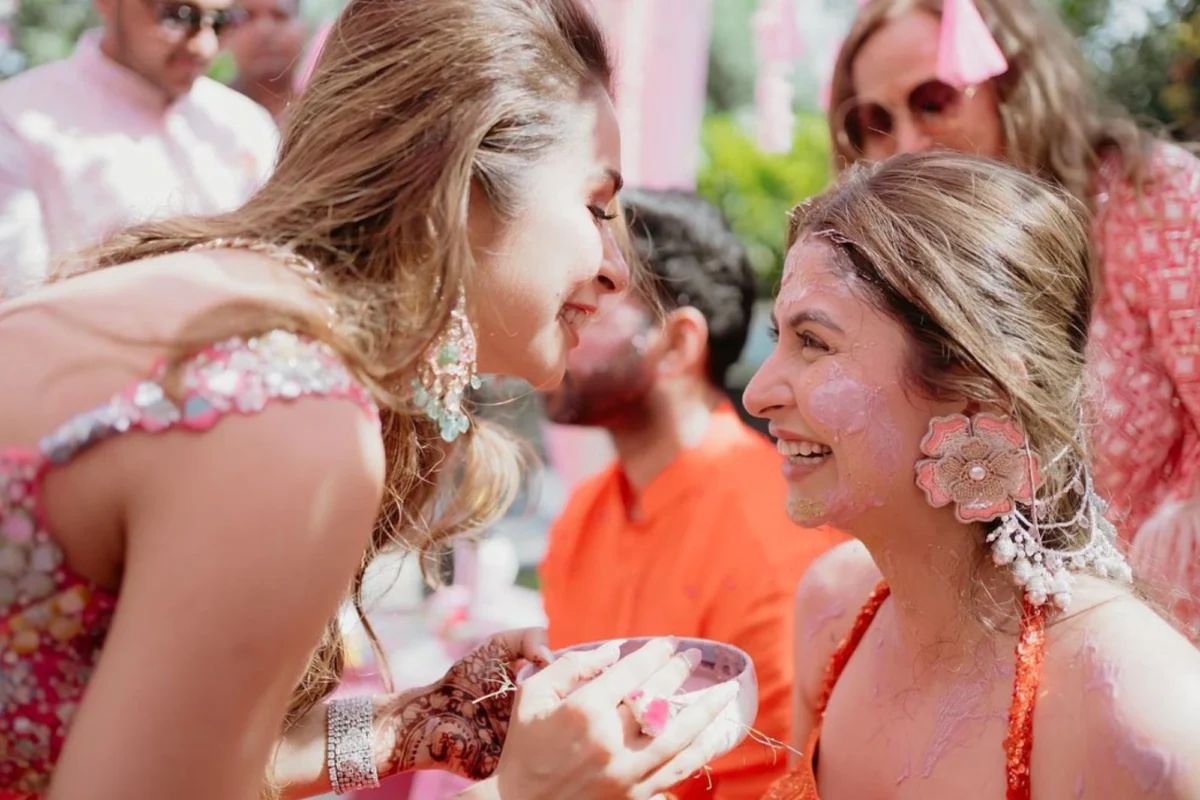
Pink haldi is a contemporary take on the traditional haldi ceremony where the usual turmeric-heavy paste is replaced with a pink ubtan—a gentler, aromatic blend designed to nourish the skin without staining it yellow.
While the ritual itself remains unchanged—family and friends blessing the bride before her wedding—the beauty philosophy behind it is different. It prioritises skin health, comfort, and post-ceremony glow, making it especially appealing for brides who have multiple wedding events lined up in quick succession.
The pink hue typically comes from natural ingredients like rose powder, sandalwood, beetroot extracts, or cosmetic-grade clay, giving the ubtan a soft blush tone rather than an overpowering pigment.
Read Also: 11 Best Anti Pollution Products for Skin & Hair Defence
Why Brides Are Replacing Traditional Haldi with Pink Ubtan
The popularity of pink haldi is not accidental—it’s practical. Traditional turmeric paste, while culturally significant, often comes with challenges modern brides are keen to avoid.
Here’s why it is gaining ground:
- No yellow staining on skin, nails, or hair
- No risk of patchy pigmentation before wedding makeup
- Gentler on sensitive or acne-prone skin
- Easier to wash off, especially for back-to-back functions
- More flattering in photographs, especially under soft lighting
For brides who have their mehendi, cocktail, or wedding events within 24–48 hours, pink ubtan offers peace of mind without sacrificing ritualistic meaning.
What Is Pink Haldi Paste Made Of?
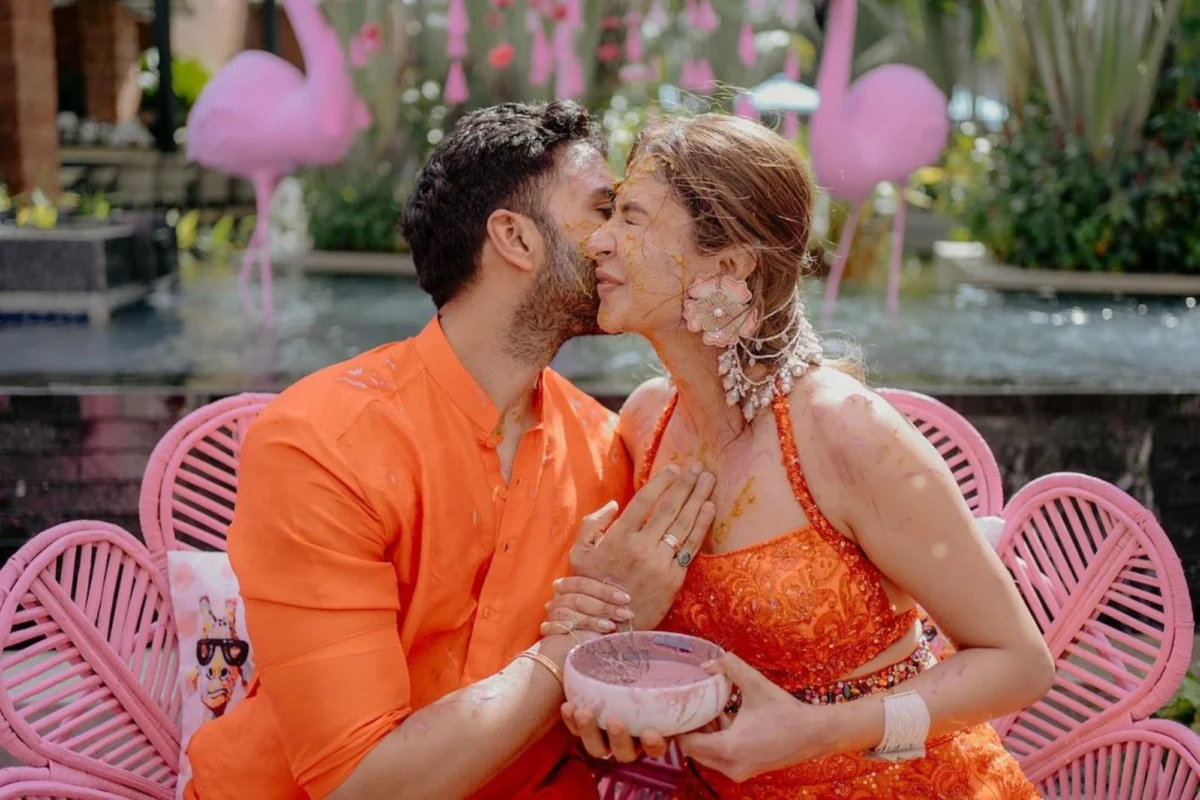
A key reason behind the rise of pink haldi is its skin-conscious formulation. Unlike turmeric-forward pastes, pink haldi paste focuses on exfoliation, hydration, and calming properties.
Common ingredients include:
- Rose powder or rose petal extracts for soothing and fragrance
- Sandalwood powder for cooling and glow
- Multani mitti or kaolin clay for gentle cleansing
- Almond or rice powder for light exfoliation
- Milk, rose water, or aloe vera gel as a base
Some formulations may include a minimal amount of turmeric, but not enough to stain—allowing brides to symbolically retain tradition while adapting its intensity.
The result is a pink ubtan that feels luxurious, smells subtle, and supports bridal skin rather than stressing it.
Skin Benefits of Pink Ubtan for Brides
Pink haldi isn’t just aesthetically pleasing—it’s functionally effective. Brides today are cautious about what goes on their skin, especially close to the wedding day.
Benefits include:
- Mild exfoliation without micro-tears
- Reduced redness and inflammation
- Hydrated, plump skin instead of dryness
- Balanced tone, ideal for makeup application
- No emergency fixes needed before the next event
For brides undergoing professional skincare treatments or dermatological routines, pink ubtan integrates seamlessly without interfering with results.
Read Also: 12 Best Perfumes for Women for Weddings: The Luxury Edit
How Pink Haldi Fits Into the Modern Haldi Ceremony
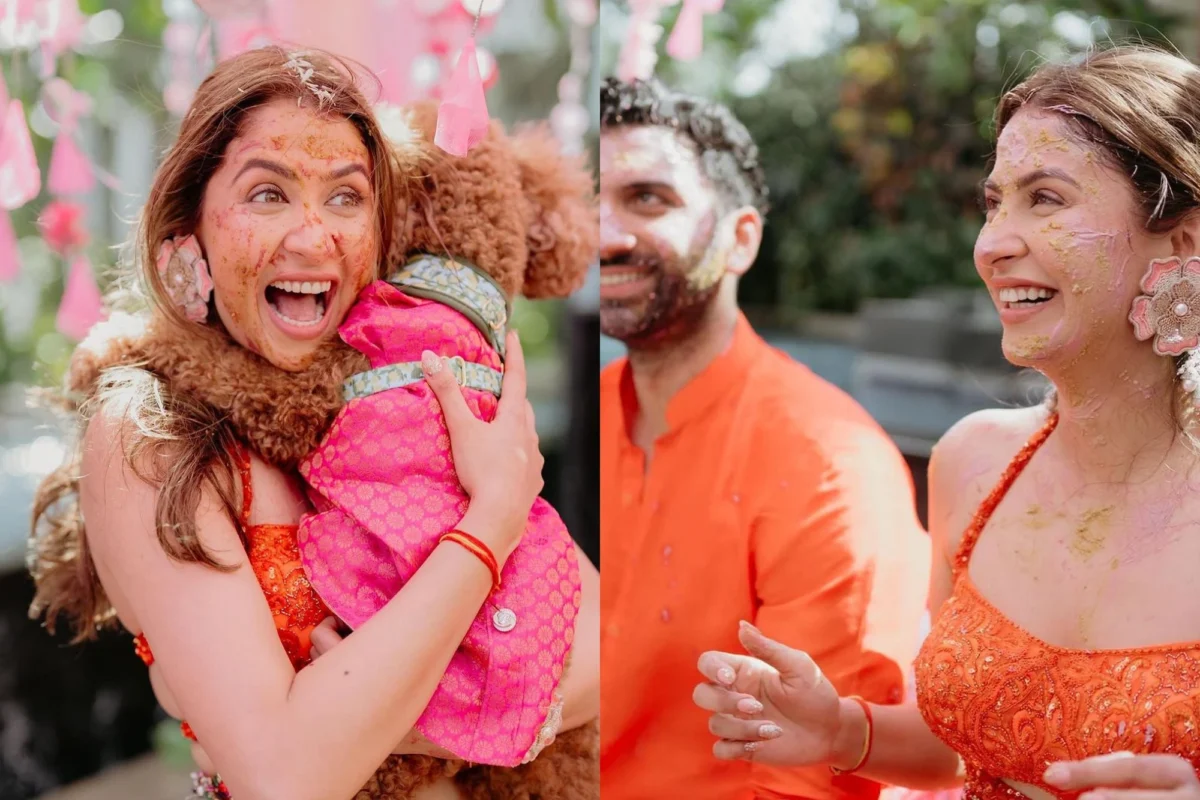
Despite the change in paste, the haldi ceremony retains its emotional and cultural significance. Blessings, laughter, music, and familial warmth remain unchanged.
What does change is the experience:
- The bride is more relaxed, knowing her skin won’t react
- There’s no rush to scrub turmeric stains off
- The ceremony feels lighter, fresher, and more fluid
- Guests participate freely without worrying about mess or staining
Pink haldi makes the ceremony feel less like a logistical hurdle and more like a joyful pause in the wedding timeline.
Why Pink Haldi Is a Photographer’s Favourite
From a visual standpoint, it photographs beautifully. The softer tones complement diverse skin tones and work well across lighting conditions—natural daylight, indoor ambient light, and even evening setups.
Photographers favour pink haldi because:
- It avoids colour casts on skin
- It looks elegant rather than overpowering
- It allows facial expressions and details to stand out
- It transitions well into editorial-style wedding albums
This subtlety aligns with the current shift towards timeless, refined wedding imagery rather than overly saturated visuals.
Does Pink Haldi Change the Wedding Aesthetic?
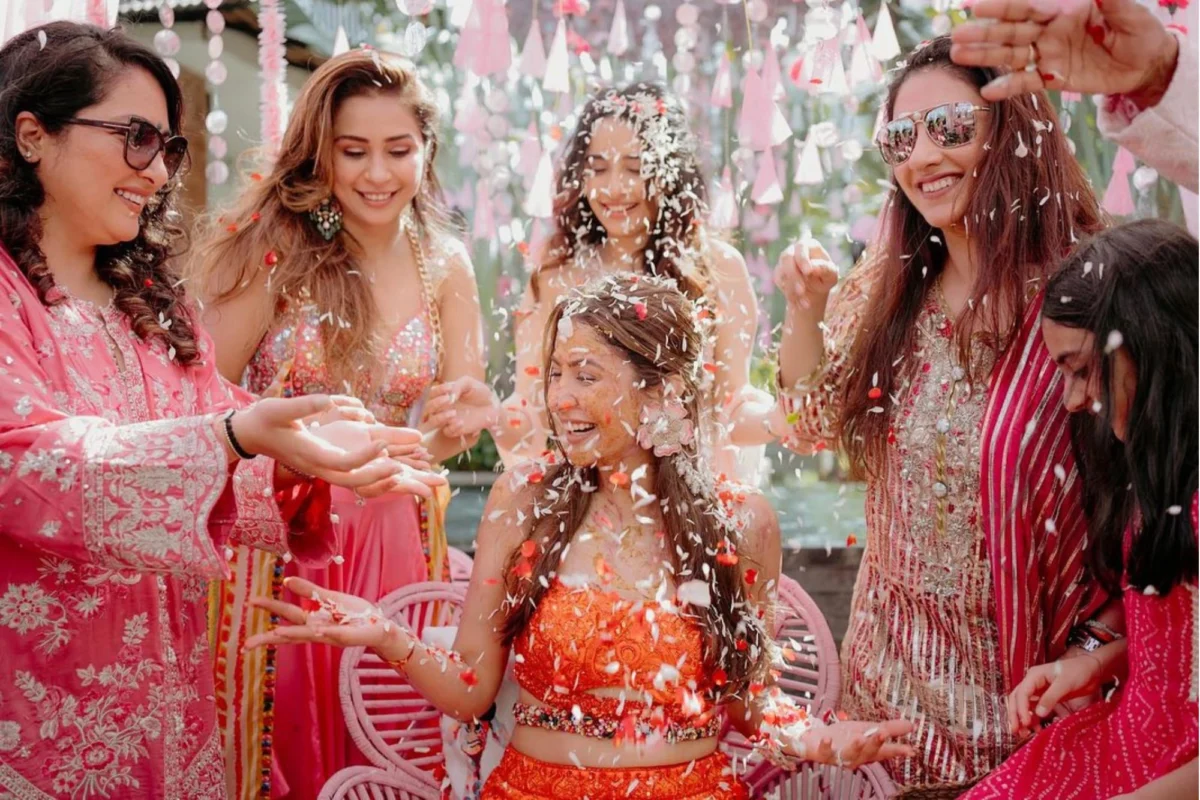
While pink ubtan is fundamentally a bridal beauty decision, it naturally influences the overall mood of the ceremony. Softer hues encourage coordinated palettes, lighter floral accents, and calmer visual storytelling.
However, it’s important to note:
Pink haldi does not demand a theme—it complements one.
Whether the ceremony is intimate or elaborate, pink ubtan adapts without overpowering the setting, allowing beauty to remain the focal point.
Is Pink Haldi Right for Every Bride?
It works especially well for brides who:
- Have sensitive or reactive skin
- Are wearing light-coloured outfits later
- Have multiple events close together
- Prefer understated elegance over bold contrasts
However, brides deeply attached to traditional symbolism may choose to incorporate turmeric in small ways—proving that pink haldi is flexible, not restrictive.
Ultimately, the trend isn’t about replacing tradition—it’s about personalising it.
Read Also: 10 Wellness Tips You Need to Know If You Are a 2026 Bride
FAQs
-
- Is pink haldi considered traditional?
It is a modern adaptation of the haldi ceremony. While the paste changes, the ritual, blessings, and cultural significance remain intact.
-
- Does pink haldi give the same glow as turmeric?
Yes. Pink ubtan focuses on exfoliation and hydration, delivering a healthy glow without staining or irritation.
-
- Can pink ubtan be customised for different skin types?
Absolutely. Pink paste can be tailored with ingredients suitable for dry, oily, sensitive, or acne-prone skin.
Subscribe to Wedding Affair for more bridal wellness tips.