


Health comes first, even in love, even before the beginning of forever. Before planning the flowers and the venue, pause to prioritise your health with these medical tests.
You have finalised the venue, shortlisted the guest lists, decided on the themes, and even tasted the food from the caterers. But in all this, have you had an honest conversation about health? After all, without good health, you cannot truly cherish the beautiful journey you are about to begin together. It’s not the most romantic of the wedding rituals. No one in their wildest dreams discusses lab reports. And yet, when two lives intertwine, so do the medical histories, habits and genetics. You are building a future together, and a medical test before marriage isn’t suspicious. Rather, it is about respecting that future together without awkwardness and assumptions.
At Wedding Affair, we believe love is beautiful, but informed love is beyond powerful. These medical tests are anything but frightening. They are building a strong foundation that would hold for decades of shared mornings, children and quiet ageing side by side.
Let’s walk through what truly matters.
Table of Contents
- Blood and Compatibility Checks
- Genetic Screening
- Sexually Transmitted Diseases (STD) Panel
- Fertility and Reproductive Health Profiles
- Mental Health Screening and Compatibility
Blood and Compatibility Checks
Blood Group Compatibility Test
This simple blood test determines your blood type and Rh factor. You may wonder why this test matters. A simple answer to this is that if one partner is Rh-negative and the other is Rh-positive, certain pregnancies may require medical supervision to avoid complications.
Who is it for?
Every couple who is planning to have children. The test is quick, affordable and prevents avoidable stress later.
Read Also: Love Life Satisfaction Index 2026: Wedding Affair’s Take
Diabetes and Hypertension Screening
These are often part of a routine health test determine blood sugar level and blood pressure. In today’s fast world, lifestyle diseases are increasingly common, so being cautious beforehand is always better.
Who is it for?
Everyone, especially if there’s a family history of diabetes, heart disease or high blood pressure. Marriage is about building shared routines, and with these tests, you know where you stand.
Genetic Screening
Our genes carry stories much older than us. They have their own history. While some are beautiful, some might require preparation.
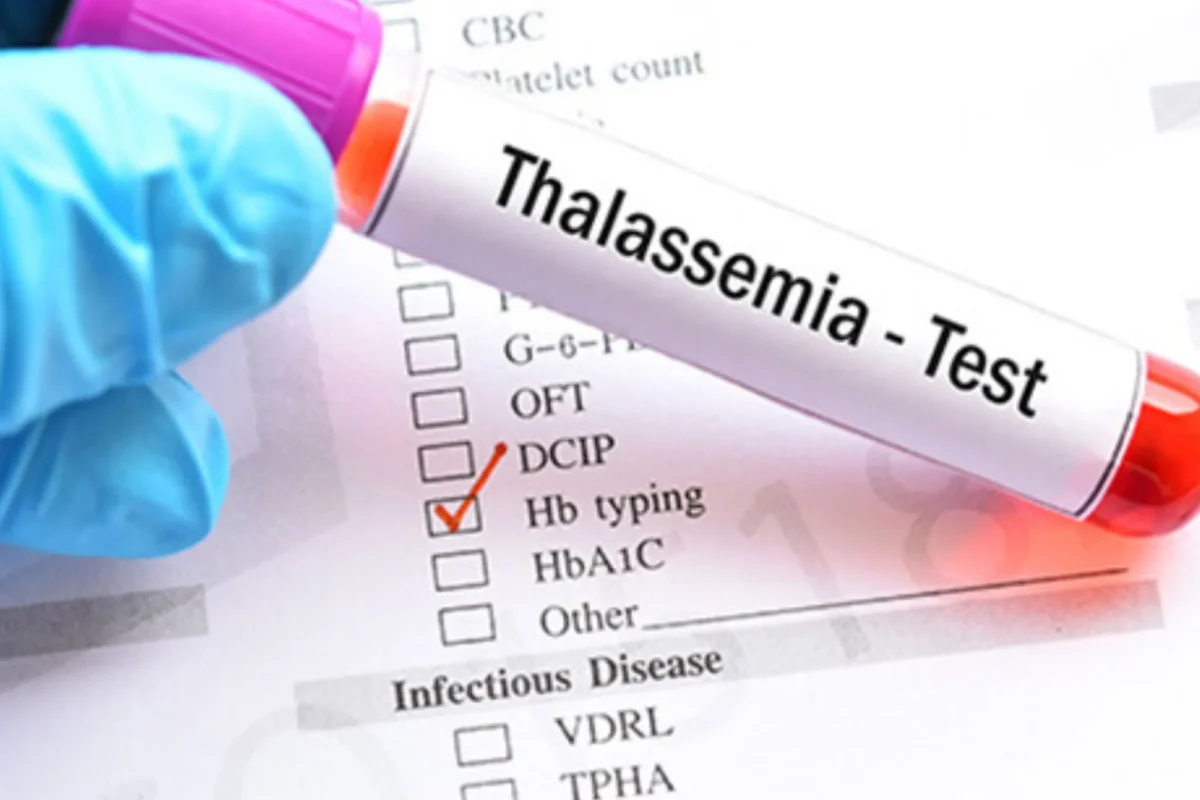
Thalassemia Screening
Thalassemia is an inherited blood disorder. If both partners are carriers, the risk of passing it on increases significantly.
Who is it for?
Couples from families where thalassemia is prevalent, or anyone wanting clarity before starting a family. A simple screening can prevent lifelong challenges.
Genetic or Hereditary Disease Testing
This medical test umbrella includes checks for conditions like sickle cell anaemia, inherited disorders and cystic fibrosis. These disorders may not show visible symptoms in the carriers, but if both partners carry the same trait, the risk to future children increases significantly.
Who is it for?
Couples with known histories of genetic illnesses. A single blood test can prevent emotional and medical complexities tomorrow. A pre-wedding medical test in this category allows you to consult specialists early, should the need arise.
Read Also: Are Wellness Practices the New Hot Trend on Wedding Weekends?
Sexually Transmitted Diseases (STD) Panel
These tests are where honesty truly matters.
HIV and AIDS Test
An HIV screening is a standard and responsible step before marriage. Early detection of these diseases ensures timely treatment and protects both partners.
Who is it for?
Every couple, regardless of their history. These are matters of mutual respect and understanding.
Hepatitis B and C Screening
These viral infections remain silent for years yet cause serious liver damage later. Often included in the broader STD panel, these screenings are not about mistrust but are about entering into marriage with clarity and dignity.
Who is it for?
Everyone. There is an availability of vaccination for Hepatitis B, making awareness even more valuable.
Fertility and Reproductive Health Profiles

Fertility is often whispered about and rarely discussed openly in conversations. But any partnership deserves honesty. A comprehensive medical test for reproductive health evaluates both partners because it is a fact that fertility is never just a ‘woman’s issue’.
For men, assessments may include semen analysis to evaluate sperm count and motility, hormone level checks and evaluations of stamina, sexual health and even vitamin status.
For women, hormone profiling plays a central role. Tests measuring FSH (follicle-stimulating hormone), LH (lutenising hormone), prolactin and thyroid function offer insight into ovulation and overall reproductive balance.
Who is it for?
Any couple who is planning to have a family, especially if their partner is over 30 or has irregular cycles, PCOS, thyroid issues or previous reproductive concerns. Some additional ovarian reserve assessments are also recommended at times.
A pre-wedding medical test in this category ensures that if challenges arise, the narrative shifts from “Why isn’t this happening?” to “How can we approach this together?”
Mental Health Screening and Compatibility
Marriage isn’t just about physical wellness. Today, mental well-being is held at the same position as physical wellness because if your mind isn’t right, you cannot feel well anyway.
Stress, anxiety and depression are increasingly taking a toll on everyone’s minds. They don’t just disappear with wedding celebrations. In fact, they amplify at times.
Think of the screenings as emotional premarital care. A safe space to discuss expectations, triggers, habits and family boundaries. It is the most underrated yet most transformative health test.
Who is it for?
For all couples. Even a basic counselling session can open doors to healthier communication.
Read Also: Family Drama During Wedding Planning? Here’s How to Handle It Like an Expert
We often treat health conversations as uncomfortable. But isn’t silence more dangerous? Medical tests are about choosing to be prepared together and be with each other “in sickness and in health.” So, before you say ‘Yes’, say ‘Let’s check’. Be open. Be honest. Let this be the first act you consciously choose together as a couple.
FAQs
Question 1. When to book the medical tests before the wedding?
Ideally, the tests should be booked 3-6 months before the wedding as this allows time for follow-up consultations, vaccinations and treatments, if required.
Question 2. What health tests should be done before marriage?
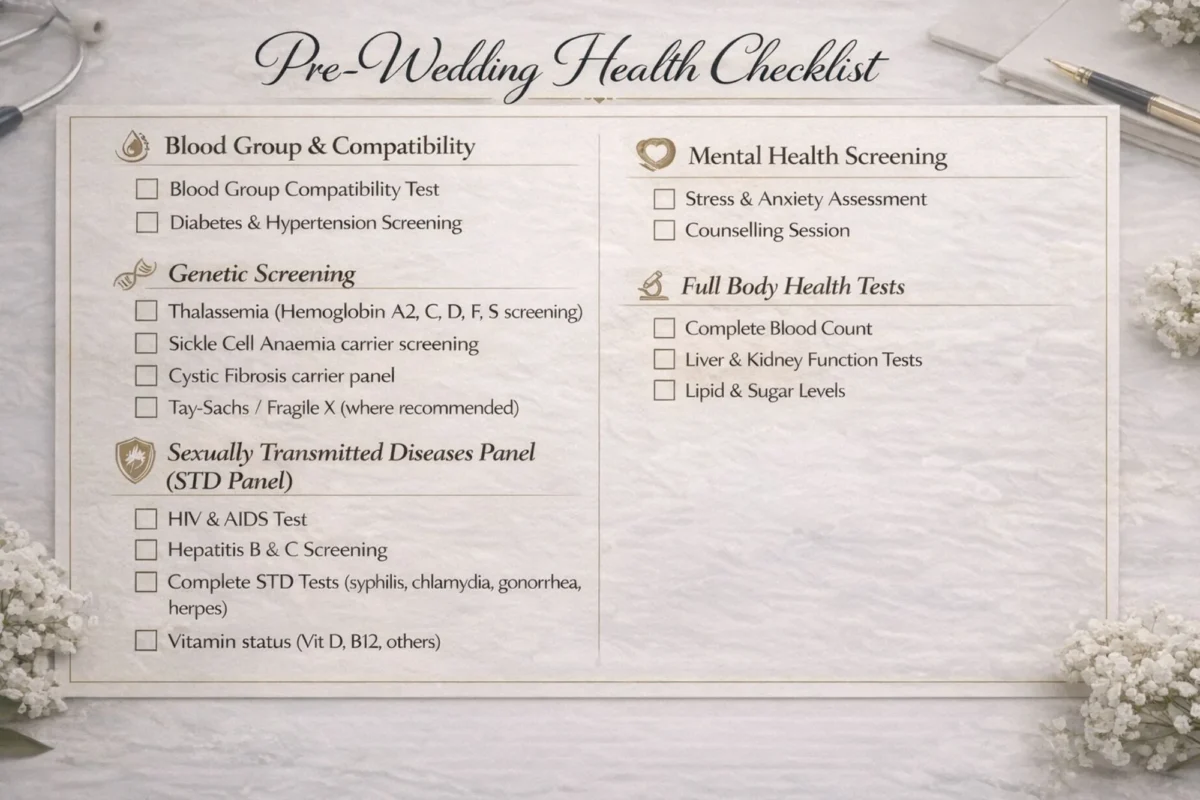
A comprehensive pre-wedding medical test should include blood group, genetic screening, STD panel, fertility assessment and basic blood checks like diabetes and hypertension.
Question 3. What are the 5 main tests for a full body checkup?
Typically, a complete blood count, blood sugar levels, lipid profile, liver function test and kidney function test form the core screening package.
Question 4. How to boost the immune system before a wedding?
Focus on balanced nutrition, adequate sleep, hydration, regular exercise and stress management. It is important to avoid crash diets and prioritise consistent healthy routines.
Subscribe to Wedding Affair for everything wedding.