
Returning to Indian craftsmanship, the bridal lehengas get a molten-metallic makeover worth ₹1 crore with the revival of fabric-less, heritage Kasab work at the Ambani wedding.
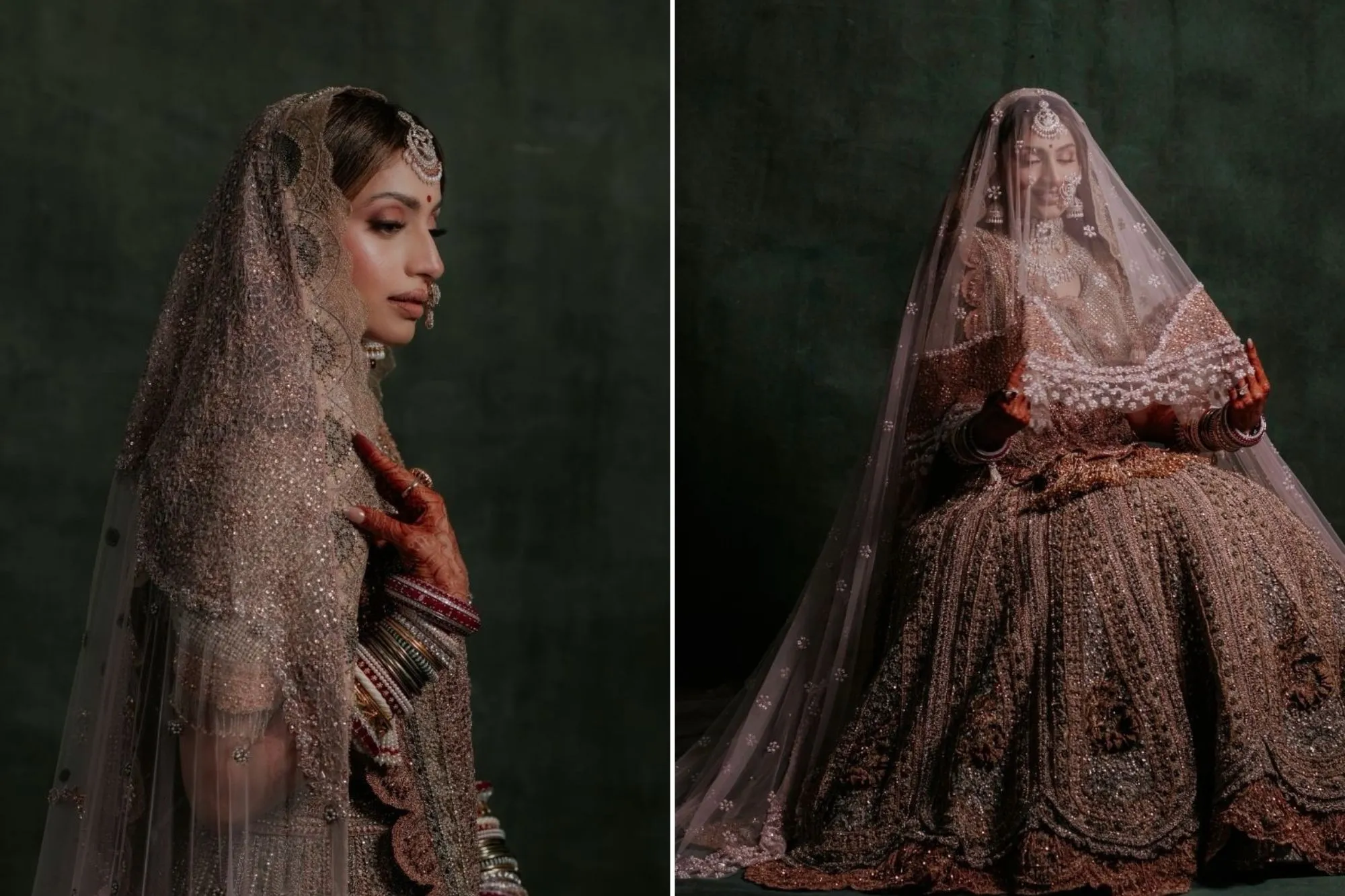
When India’s most talked-about business dynasty hosts a celebration, everyone stops and stares. The fashion statements follow their own trajectory, with every outfit deserving its own spotlight moment. The recent nuptials of Vikram Salgaocar, nephew of Mukesh Ambani, and Shweana Poy Raiturcar in late February 2026 didn’t just trend for the grand feat, but for the swoon-worthy fashion, with all eyes on the bridal lehenga. The fabric-less bridal lehenga shimmered like fluid, sculpted metal, blurred the line between garment and wearable sculptural art.
Now trending across social feeds and bridal forums, every bride is taking notes from this bridal lehenga moment, crafted entirely in intricate Kasab work, that meticulously took 15,000 hrs to complete.
Wedding Affair brings you everything you need to know about this heritage craftsmanship revival. Let’s dive into what makes it so exceptional, explore the historic craft behind it and share inspiration with the bride-to-be dreaming of her statement bridal lehenga moment.
Table of Contents
Ambani Wedding That Has the Fashion World Talking
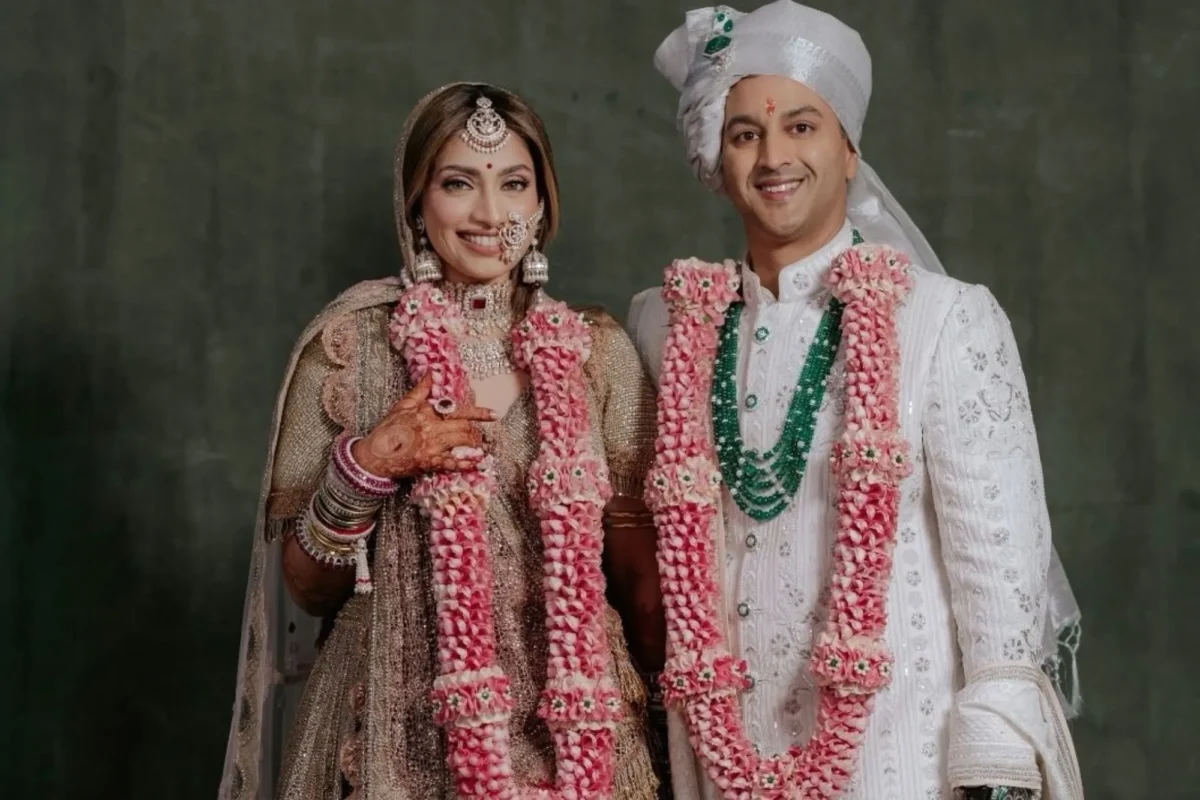
The wedding festivities of Vikram Salgaocar, Mukesh Ambani’s nephew, and Shweana Poy were a convergence of heritage, luxury and couture. Fashion spectacles were created where heritage met haute couture, and every ensemble came with historical backing. While guests such as Nita Ambani and Radhika Merchant were photographed in stunning outfits, one outfit that particularly commanded global attention was the bride’s Bridal Lehenga.
Read Also: 7 Lightweight Bridal Outfits for Stylish Summer Weddings
Designed by JADE by Monica and Karishma, the lehenga departed dramatically from the conventional bridal norms. Instead of silk, velvet or brocade forming the base, it was crafted without fabric with intricate metallic work from Kasab threads. The result? Craftsmanship reigned as the molten-gold silhouette moved like fluid, holding sculptural integrity.
With every scroll on social media featuring this breathtaking piece, the same question arose: “Is heritage craft now the new couture?”
What Is Kasab Work?
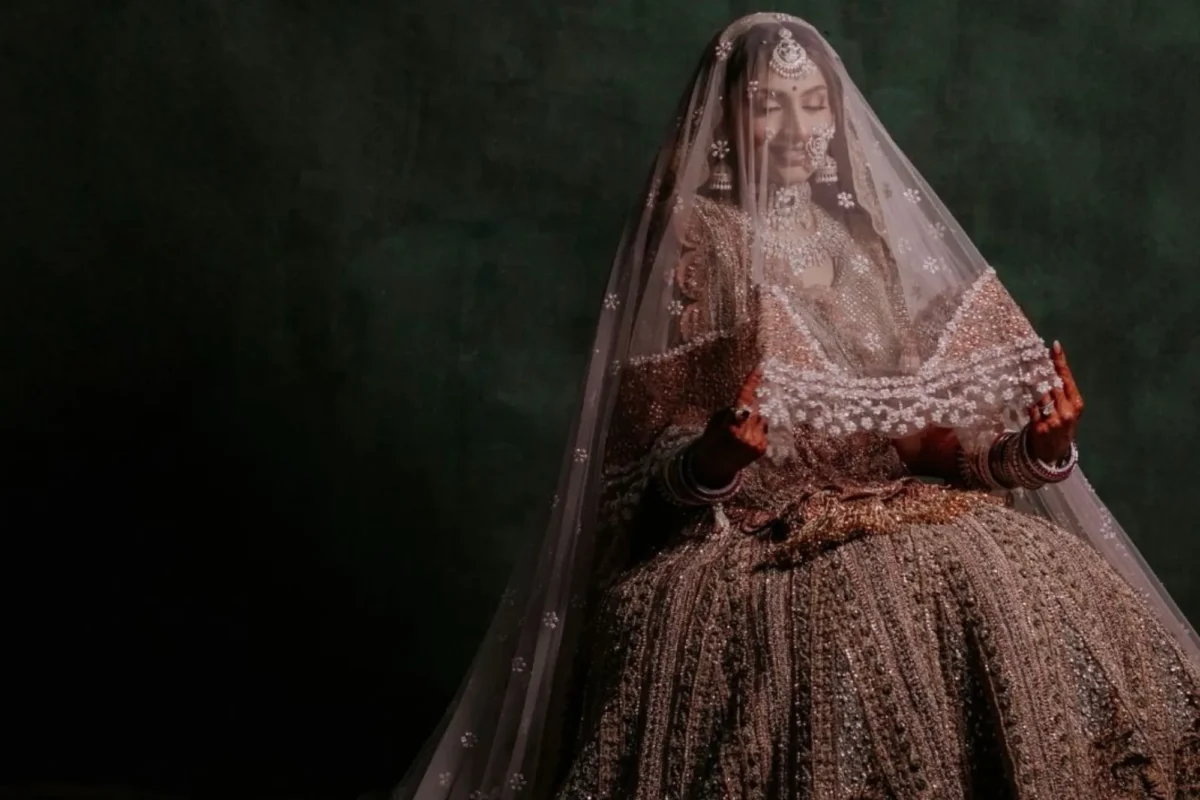
Kasab Work is a traditional embroidery technique that uses fine metallic threads to create intricate motifs. Historically rooted in Mughal-era craftsmanship, the work flourished across regions like Gujarat and Rajasthan, with royal ateliers perfecting the art. This heritage craftsmanship reimagines tradition for a 21st-century luxury bride.
Unlike zardozi, which often involves couching thicker metallic wires onto fabric, Kasab Work uses slender metal threads stitched directly into patterns, resulting in delicate yet luminous detailing.
One question that arises in every mind is: What makes this lehenga special?
- No Fabric Base: The lehenga was engineered entirely from metallic threads in rose gold, gold and antique gold shades, woven intricately like a mesh that flows like molten metal.
- Hours of Artistry: Reportedly, the ensemble took more than 15,000 hours of meticulous craftsmanship to complete, with threadwork replacing the fabric as canvas itself.
- High-End Craft Revival: This bridal lehenga masterpiece revives the Mughal-era Kasab work technique, making it heritage and couture.
The Kasab work traditionally was done to embroider over luxurious textiles like silk and brocade. In this iconic lehenga, reclaiming the centre stage, it became a structure instead of a mere decoration, resulting in a wearable piece of art.
Rise of Craftsmanship in Bridal Lehenga Trends
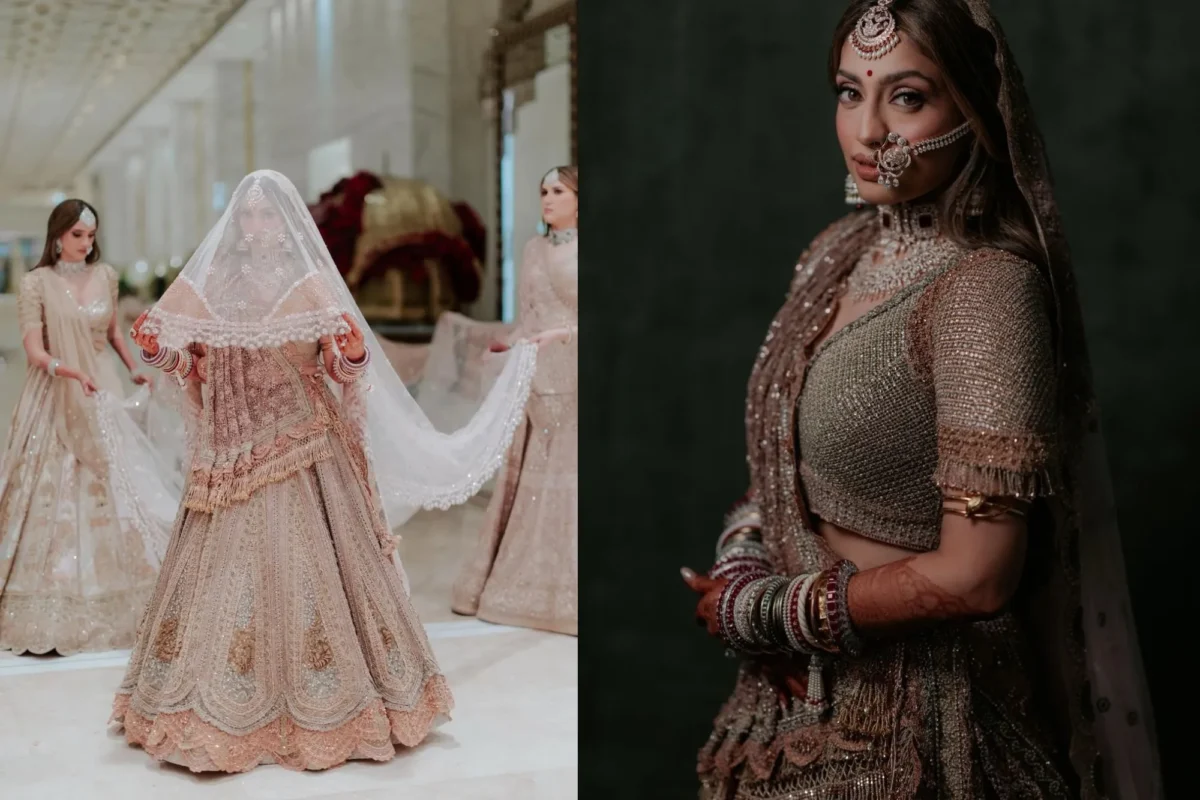
Bridal trends today have increasingly shifted towards narrative pieces that resonate a story of heritage, craftsmanship and personal taste. The bride wants individuality woven into her bridal lehenga. The Ambani wedding takes the idea further, proving:
- Craft Can Be Couture: Brides seeking show-stopping fashion are drawn to techniques over trends. Designers are revisiting archival techniques such as Kasab work, gotta patti, and weaving, and reinterpreting them for contemporary silhouettes. Today, brides are drawn to pieces that feel intentional and not mass-produced.
- New Heirlooms: Couture bridal pieces have elevated from being an outfit to an investment in a heirloom. The metallic Kasab ensembles carry a timeless allure, reminiscent of antique jewellery passed through generations.
- Wearable Sculpture: Today’s designers are looking beyond the fabric to explore new techniques and materials that make the bridal wear feel like a sculpture. The Ambani wedding showcased how craftsmanship can redefine the silhouette entirely.
Read Also: Hottest Bridal Blouse Trend of 2026: Itsy-Bitsy Micro Blouse
Social media has accelerated this shift. When a single bridal lehenga trends globally within hours, it influences ateliers across continents. Brides now walk into consultations referencing craftsmanship, not just colour palettes.
And that changes the whole story.
Future Watch for the Brides
If you are a bride planning your own couture moment, consider these takeaways from Wedding Affair:
- Invest in heritage craftsmanship. Choose pieces rooted in historic techniques, such as kasab work, zardozi, gota patti or banarasi. Understand the artistry behind it because it lends richness and depth to your bridal narrative.
- Think beyond the fabric and value how a piece was made as much as how it looks. Think: Could your bridal lehenga incorporate metallic thread panels, sculpted borders or heirloom-inspired motifs? Reimagine the crafts in your own way.
- Balance is the key when reimagining the crafts. Work with ateliers that customise tradition with modern aesthetics without overpowering the other.
Read Also: Mirror Work on Bridal Outfit: The New Bridal Trend
For 2026 brides and beyond, luxury is no longer about show; it is about excellence. If you seek artistry with a modern edge, this fusion of historic craft with contemporary couture offers a blueprint for wedding fashion. All heritage crafts are couture, and couture is forever.
FAQs
Question 1. What is the meaning of kasab work?
Kasab Work refers to intricate embroidery done using fine metallic threads, usually gold or silver, stitched into ornate patterns to create luminous, heritage-rich designs.
Question 2. Where did Kasab embroidery come from?
Kasab embroidery traces its roots to Mughal-era India, flourishing particularly in Gujarat and Rajasthan, where royal artisans refined the metallic thread craft.
Question 3. Which embroidery is famous in India?
India is known for diverse embroidery styles like zardozi, chikankari, kantha, phulkari, and Kasab Work—each region reflecting unique cultural and artisanal traditions.
Subscribe to Wedding Affair for the latest bridal fashion updates.