

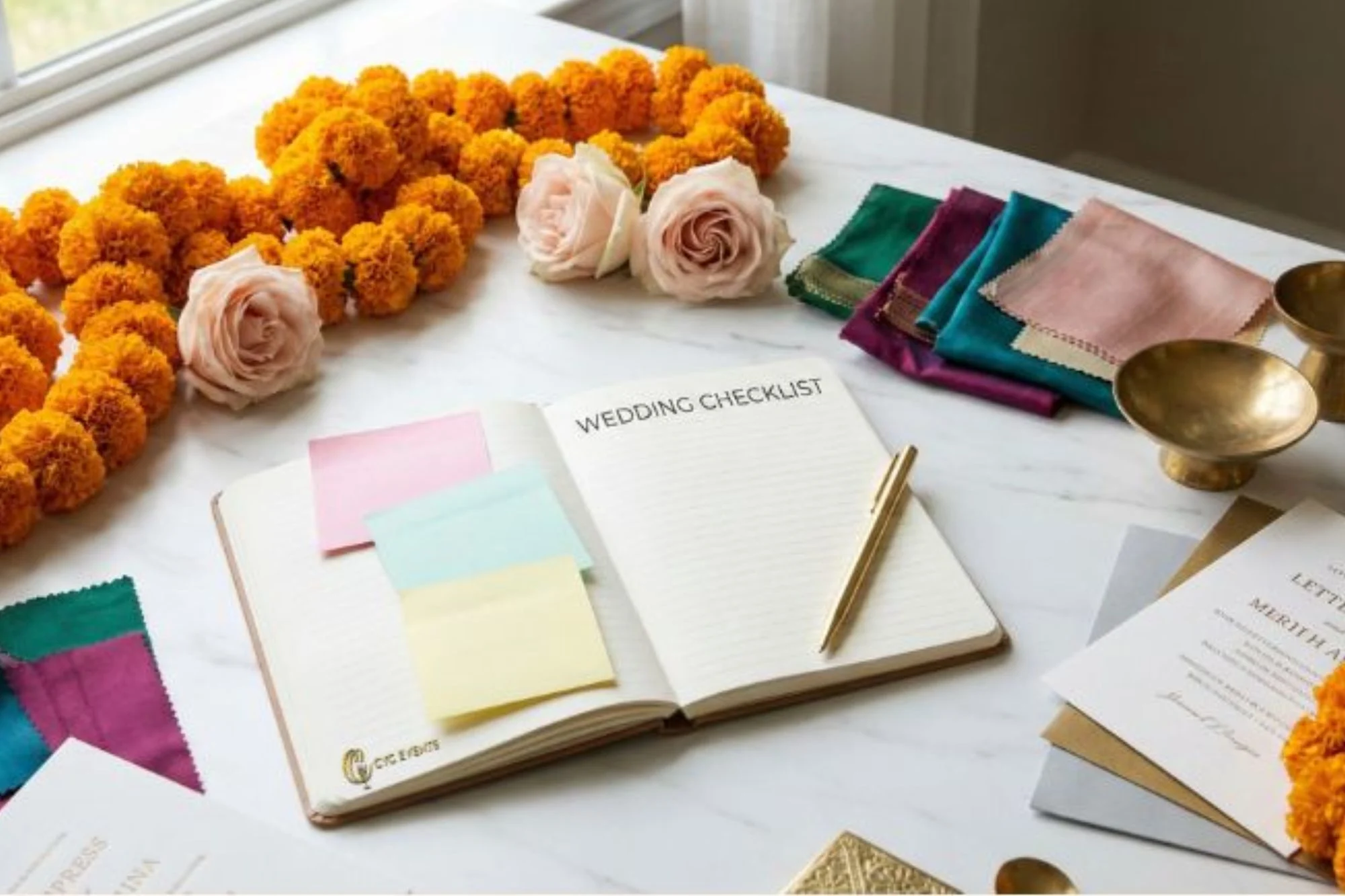
The last 30 days before your wedding don’t feel like the final stretch—they feel like a different universe altogether. Here’s a wedding planning checklist to help you out.
Time speeds up, emotions run high, and suddenly every decision feels urgent. Even couples who’ve been deeply involved in wedding planning for months are often surprised by how intense the last month before wedding becomes.
This is the period where plans stop being ideas and start becoming reality. Vendors begin arriving with timelines instead of proposals. Family members suddenly have opinions they never voiced earlier. And you, somewhere between fittings and phone calls, realise that the wedding is no longer coming up—it’s happening.
A well-thought-out Wedding Planning Checklist is essential during this phase, not to micromanage every detail, but to help you understand what to expect and when. The final month before the wedding is about coordination, clarity, and emotional readiness just as much as logistics. Knowing what unfolds week by week can make this time feel manageable instead of overwhelming.
No worries. This wedding planning checklist by Wedding Affair will help you handle the stress like a pro. Readbelow to find out.
Table of Contents
- 30 to 21 Days Before the Wedding: Locking the Foundation
- 20 to 15 Days Before the Wedding: Turning Attention Inward
- 14 to 10 Days Before the Wedding: Guests, Movement, and Flow
- 9 to 7 Days Before the Wedding: Aligning People and Rituals
- 6 to 3 Days Before the Wedding: Slowing Down Without Slipping
- 2 to 1 Days Before the Wedding: Letting Go of Control
- The Night Before the Wedding
30 to 21 Days Before the Wedding: Locking the Foundation
The first week of the final month is when confirmations take centre stage. At this point in wedding planning, you’re no longer discussing possibilities—you’re reaffirming decisions already made.
This is when couples usually reconnect with every major vendor involved in the wedding. Conversations become more specific: arrival times, setup durations, backup plans, and who to contact in case of delays. These discussions might feel repetitive, but they’re crucial. Clear communication now prevents confusion on the wedding day.
During this phase, the guest list is also finalised. Follow-ups with undecided guests happen here, and the final numbers are shared with caterers and venues. It’s a practical step, but it also makes the wedding feel real. Seeing the final count often brings a mix of excitement and disbelief.
This is also a good time to draft a detailed wedding timeline—not just for the couple, but for close family members as well. When everyone understands how the days are structured, the entire celebration flows more smoothly.
Read Also: 7 Best Aesthetic Luxury Pre-Wedding Shoot Themes for 2026
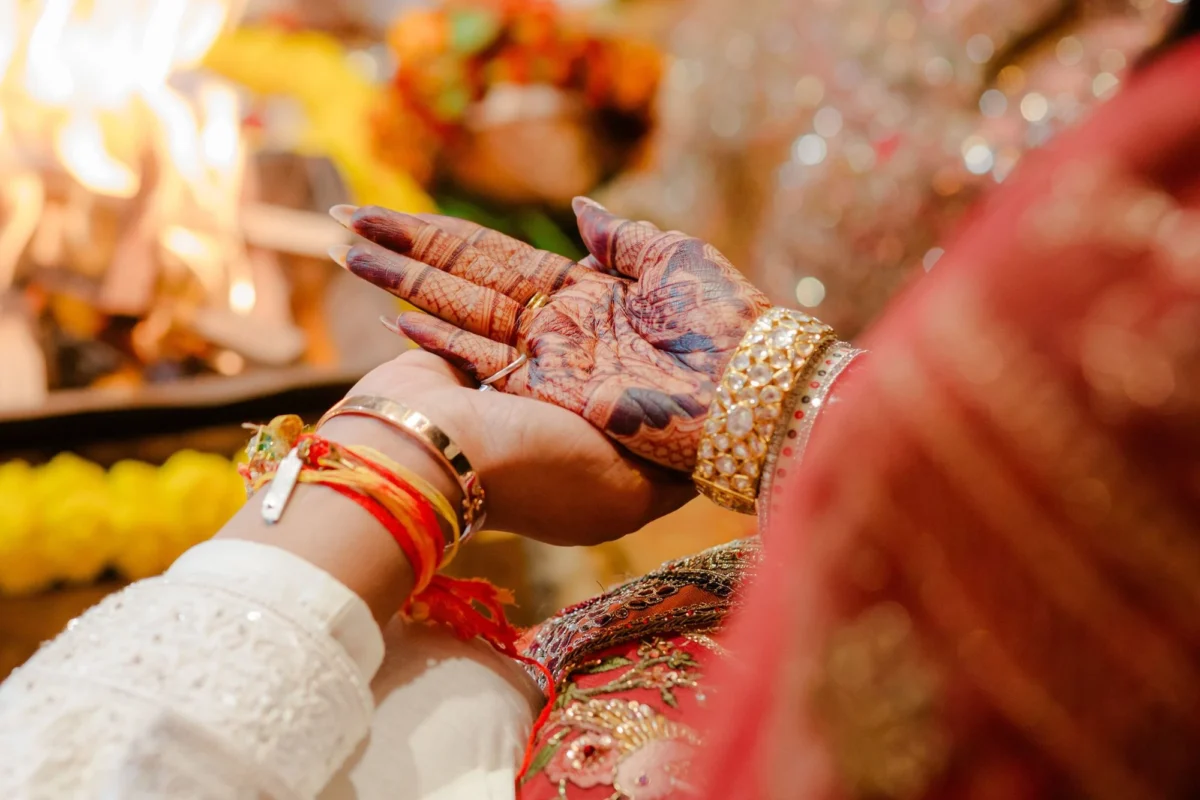
20 to 15 Days Before the Wedding: Turning Attention Inward
Once the larger logistics are under control, attention naturally shifts inward. Outfits, grooming, and personal preparation become the focus during this phase.
Most couples schedule final outfit trials and alterations around this time. It’s not just about fit—it’s about comfort. Can you move easily? Sit, stand, and walk without adjusting constantly? These details matter more than how the outfit looks in photos.
Beauty preparation also begins here, but subtly. This isn’t the time for dramatic experiments. Instead, it’s about consistency—maintaining skin and hair routines, staying hydrated, and allowing your body to feel its best. Wedding planning often overlooks this aspect, yet it plays a major role in how confident you feel during the celebrations.
Any paperwork related to the ceremony or legal requirements is ideally completed during this window. Taking care of documentation before the wedding helps reduce mental clutter later.
14 to 10 Days Before the Wedding: Guests, Movement, and Flow
As the wedding approaches, coordination with guests becomes more hands-on. Travel details, accommodations, and transport schedules are usually confirmed during this stage. Out-of-town guests may start arriving soon, and having clear information ready makes them feel welcomed and cared for.
This is also when seating arrangements are thoughtfully planned. While it may seem like a small detail, seating influences how guests experience the event. Careful consideration ensures comfort, smooth movement, and a sense of inclusion.
Décor discussions are usually finalised here as well. Instead of broad themes, conversations focus on placement, lighting, and transitions between events. Wedding planning at this point becomes less about aesthetics and more about atmosphere.
9 to 7 Days Before the Wedding: Aligning People and Rituals
The week before the wedding is when alignment becomes essential. Vendors, family members, and officiants all need to be on the same page.
Many couples revisit rituals and ceremonies during this time, especially if traditions are detailed or unfamiliar. Going through the sequence calmly helps everyone understand their roles and avoids last-minute confusion.
This is also when practical preparations like emergency kits and outfit organisation are completed. These wedding planning steps may feel minor, but they contribute immensely to peace of mind.
Read Also: 7 Small Wedding Details Guests Notice and Secretly Adore
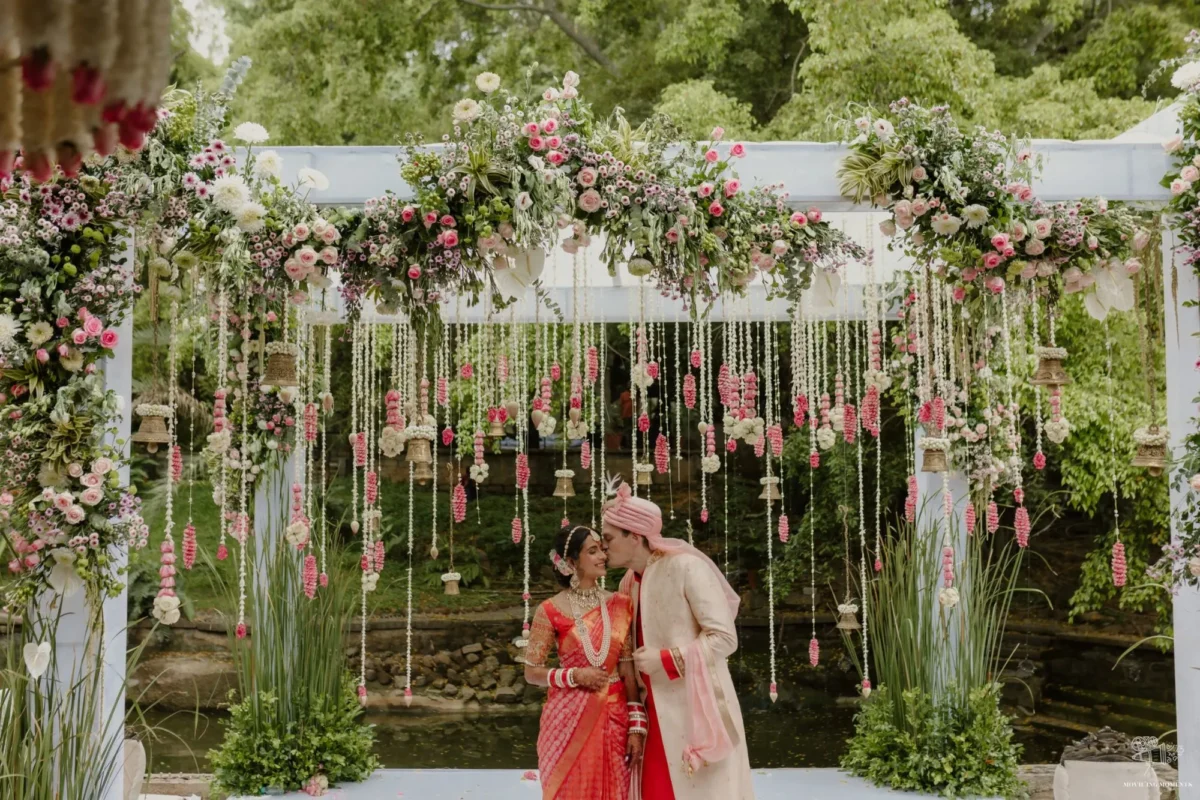
6 to 3 Days Before the Wedding: Slowing Down Without Slipping
Ideally, wedding planning during these days should be light. Most major tasks are complete, and the focus shifts to maintenance rather than action.
Packing for different events happens now, often with separate bags for outfits, accessories, and essentials. Keeping things organised reduces last-minute scrambling.
Final payments are usually settled during this phase, allowing couples to mentally close that chapter and focus on the celebration ahead.
2 to 1 Days Before the Wedding: Letting Go of Control
As the wedding draws closer, one important shift must happen—you let go.
This is the moment to trust your planning, your vendors, and the people around you. Delegating responsibilities is not a sign of losing control; it’s a sign that the planning phase has done its job.
If possible, a final walkthrough of the venue brings reassurance. Seeing things come together transforms anticipation into excitement.
The Night Before the Wedding
The night before the wedding isn’t about preparation—it’s about grounding yourself. Eating lightly, resting well, and spending time with loved ones helps settle nerves.
This is when many couples feel a quiet emotional wave. The planning is over. What remains is the experience.
FAQs
- What should couples focus on most in the last 30 days before a wedding?
Clear communication with vendors and finalising timelines are the most important priorities during this phase. - Is it normal to feel overwhelmed right before the wedding?
Yes. Emotional intensity is common before the wedding and doesn’t reflect poor planning. - Can last-minute changes still be made in the final month?
Minor adjustments are possible, but the last 30 days are best reserved for confirmations rather than major changes.
Read Also: 8 Timeless Secrets Happy Couples Live By for Lasting Love
The last 30 days before a wedding are intense, meaningful, and fleeting. With a thoughtful Wedding Planning Checklist, realistic wedding planning, and mindful preparation before the wedding, this phase can feel empowering rather than exhausting.
The goal isn’t perfection. It’s presence.
Subscribe to Wedding Affair for more wedding tips and inspirations.