

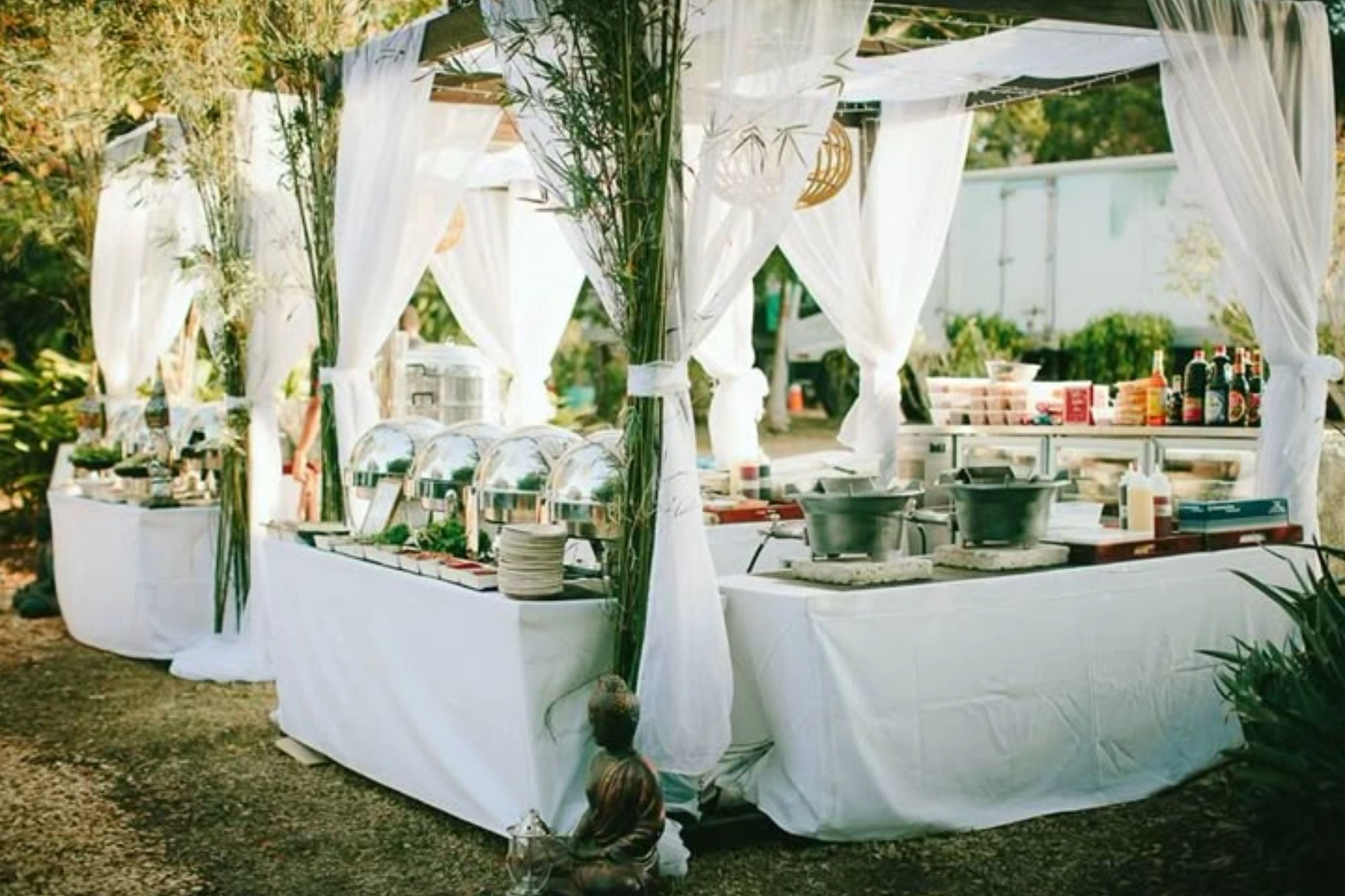
Planning an outdoor wedding? Let’s talk flavours, logistics and smart food and catering moves that keep guests happy and the vibe effortless.
Planning an outdoor wedding sounds like a dream, right? Open skies, natural light, fresh air, and that Pinterest-perfect setting you’ve been saving forever. But organising food and catering for outdoors is a whole different ball game. Delicious, yes. Easy? Not always. Between weather mood swings, guest comfort, and keeping food fresh, things can get… interesting. Don’t worry, though. If you plan it right, your outdoor wedding feast can be unforgettable for all the right reasons. With Wedding Affair, let’s discuss how you can nail the catering aspect of your wedding outdoors.
Table of Contents
- Start with the Setting, Not the Menu
- Weather is the Ultimate Wedding Guest
- Timing Is Everything (Seriously)
- Live Counters Are Your Best Friend
- Keep the Menu Balanced, Not Overloaded
- Think About Guest Comfort (Always)
- Beverage Planning Deserves Its Own Spotlight
- Hygiene Isn’t Optional, It’s Essential
- Don’t Forget Power, Lighting, and Logistics
Start with the Setting, Not the Menu
Before you lock that lavish spread, pause. Where exactly is your outdoor wedding happening? A lawn, beach, vineyard, palace courtyard, a private farmhouse, or your back garden? Each space plays by different rules. Sun exposure affects how long dishes can sit out. Wind decides whether open buffets are a good idea. Uneven ground impacts how servers move around. Smart food and catering always starts by reading the venue like a pro, not just picking what looks good on paper.
Read Also: 5 Celebrity-Approved Wedding Caterers You Should Check Out
Weather is the Ultimate Wedding Guest
Uninvited, unpredictable, and very much present. Heat, humidity, and sudden breezes can ruin the food, so your outdoor wedding menu has to be weather-proof. Think dishes that hold well without losing texture or flavour. Cream-heavy gravies, ice cream stations, or delicate foams? Risky. Grilled items, live counters, fresh salads with sturdy greens, and regional comfort food tend to survive better. Good food and catering teams plan backups, so you should too. Ask your caterer how they manage heat, cold, or sudden rain. If they hesitate, that’s your cue to rethink.
Timing Is Everything (Seriously)
Outdoor weddings work best when food timing is tight. Long gaps between ceremonies and meals can leave guests hangry, and no one wants that energy. Plan light bites or a chic grazing table while rituals are on. This keeps people happy and buys your kitchen time. When food and catering flow smoothly, your outdoor wedding feels relaxed, not rushed or chaotic.
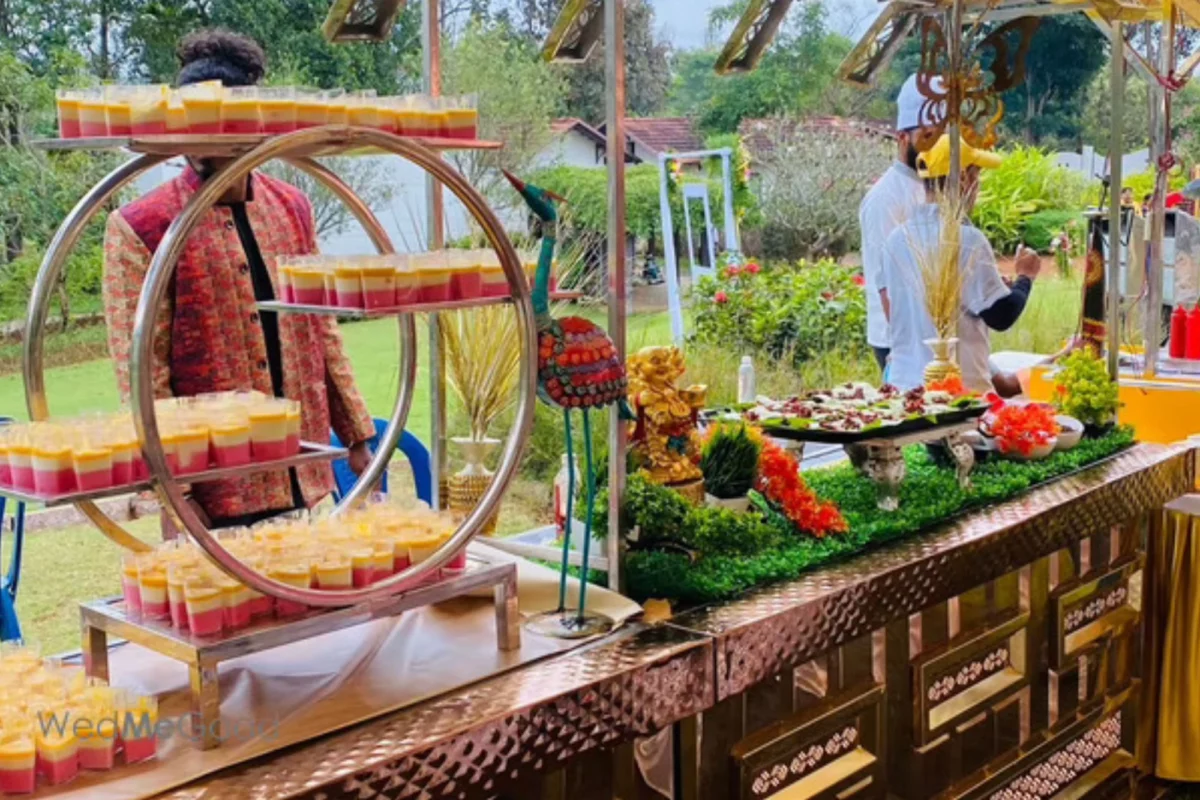
Live Counters Are Your Best Friend
If there’s one thing that consistently wins at an outdoor wedding, it’s live food stations. They keep dishes hot, feel interactive, and double up as entertainment. Chaat bars, wood-fired pizzas, grill stations, dosa counters, pasta tossed live—these reduce wastage and elevate the experience. Plus, guests love watching their food come together. Great food and catering isn’t just about taste; it’s about moments.
Keep the Menu Balanced, Not Overloaded
More food doesn’t equal better food. Especially outdoors. Heavy, over-the-top menus can overwhelm guests, particularly in warm weather. Balance rich dishes with lighter options. Add refreshing drinks, seasonal fruits, and palate cleansers. Your outdoor wedding menu should feel thoughtful, not like a buffet marathon. When food and catering is well-curated, people remember flavours, not fatigue.
Read Also: Mini Food Bites You Should Have in Your Wedding Menu
Think About Guest Comfort (Always)
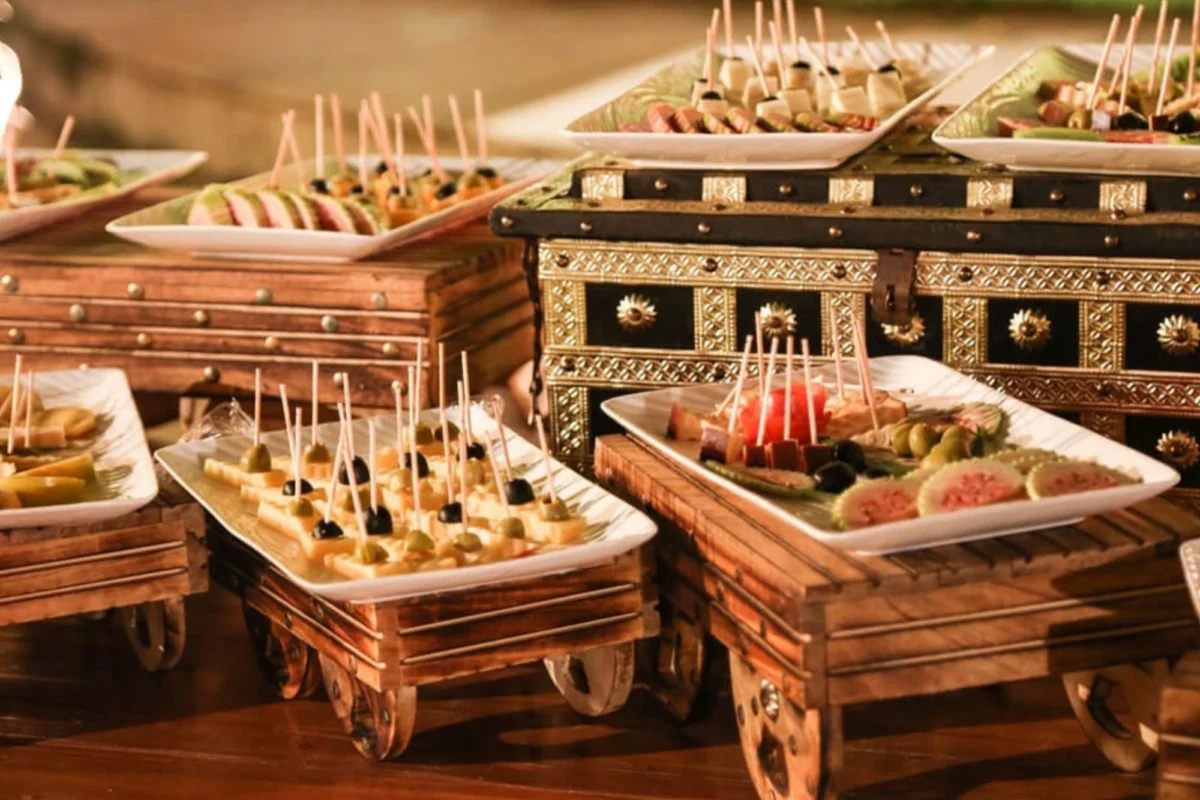
Standing with a plate in one hand and a drink in the other sounds cute until it’s hot outside. Make sure there’s enough seating, shade, and easy-to-handle food options. Sliders, skewers, bowls, and mini portions work better than messy, two-handed meals. Smart food and catering respect how guests actually eat at an outdoor wedding, not how it looks in photos.
Beverage Planning Deserves Its Own Spotlight
Hydration is non-negotiable at an outdoor wedding. Offer infused water, chilled juices, buttermilk, or coconut water alongside cocktails. Alcohol hits harder in the sun, so balance it out. A well-thought-out beverage plan is a huge part of successful food and catering, even though it’s often overlooked. Trust me, your guests will thank you.
Hygiene Isn’t Optional, It’s Essential
Outdoor setups mean dust, bugs, and exposure. Your caterer should have covered food stations, gloves, hairnets, and proper waste management. Ask how often food is replenished and replaced. Good food and catering outdoors is as much about cleanliness as it is about flavour. An outdoor wedding should feel fresh, not questionable.
Don’t Forget Power, Lighting, and Logistics
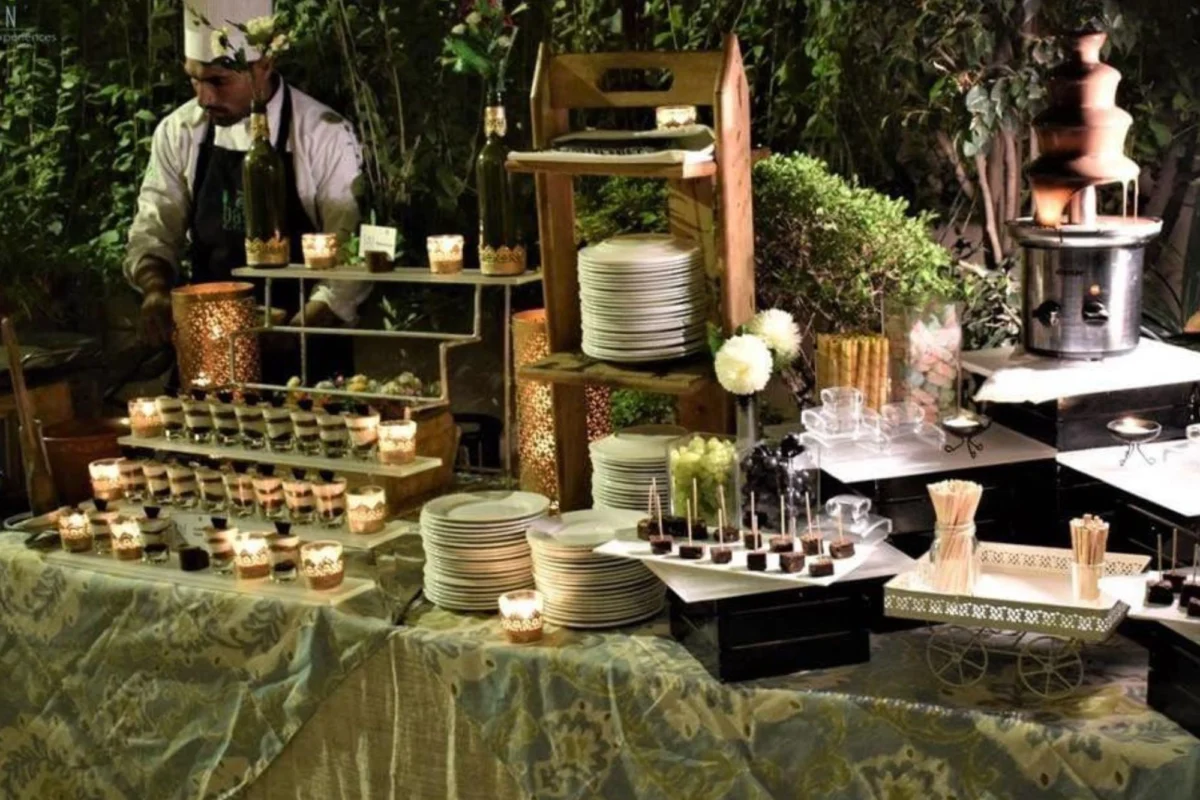
Outdoor kitchens need power—for live counters, refrigeration, and lighting once the sun sets. Coordinate early with your caterer and planner so there are no last-minute surprises. The best food and catering teams plan logistics like clockwork, ensuring your outdoor wedding runs smoothly from the first starter to the last dessert.
Read Also: Engagement Cake Trends of 2026 You’ll Want to Know About
Frequently Asked Questions
Question 1: What kind of food works best for an outdoor wedding?
Dishes that stay fresh longer, live counters, and seasonal menus work best for an outdoor wedding.
Question 2: How do I keep food safe in an outdoor setting?
Choose experienced food and catering teams that use covered stations, temperature control and quick replenishment.
Question 3: Is buffet or plated service better outdoors?
Buffets with live stations usually work better for outdoor weddings, offering flexibility and freshness.