


Hiring a wedding planner is not enough; successful wedding planning requires you to do a lot of things, and not to do a few.
Planning a wedding is one of the most exciting and emotional journeys a couple can embark on. But let’s be honest — it can also be overwhelming. From selecting the perfect venue and curating a thoughtful wedding to-do list to choosing between a thousand tiny details, wedding planning demands both creativity and strategy. And while every couple dreams of a smooth, picture-perfect celebration, the reality is that planning a wedding comes with its fair share of dos and don’ts.
This detailed wedding planning guide by Wedding Affair simplifies the chaos, offering helpful insights, practical wedding planning ideas, and mistakes to avoid so you can enjoy the process without losing your mind (or your budget).
Table of Contents
- Set a Realistic Budget (Do’s & Don’ts)
- Choose the Right Venue Early
- Be Smart with Your Wedding To-Do List
- Finalise Your Guest List Wisely
- Pick Your Vendors Carefully
- Focus on Personalisation, Not Perfection
- Don’t Ignore Contracts & Fine Print
- Plan Your Bridal & Groom Look in Advance
- Do Manage Time — Don’t Leave Things for the Last Minute
- Enjoy the Big Day Without Stress
Set a Realistic Budget (Do’s & Don’ts)
Do: Create a transparent and realistic budget
Before diving into any wedding planning ideas, set your budget. Allocate funds to key elements — venue, décor, outfits, food, photography, entertainment, and contingency. Discuss openly with your partner and families to avoid assumptions or surprises later.
Don’t: Spend without tracking
Overspending can happen quickly. Use a shared spreadsheet or wedding planning app to track expenses. Avoid adding unnecessary elements “just because they looked nice on Pinterest.” Not everything trending online needs to be in your wedding.
Choose the Right Venue Early
Do: Finalise the venue 8–12 months in advance
The venue sets the tone for your celebration — outdoor garden, palace, beachside, or banquet. Booking early ensures better rates and availability, especially during peak seasons.
Don’t: Finalise without visiting
Never book a venue without a physical visit. Check entry routes, parking, washrooms, guest seating capacity, electrical points, and vendor policies. Photos can be deceptive — don’t fall for catalogue glamour.
Read Also: Latest Wedding Decor Trend: 7 Shades of Green in Decoration
Be Smart with Your Wedding To-Do List
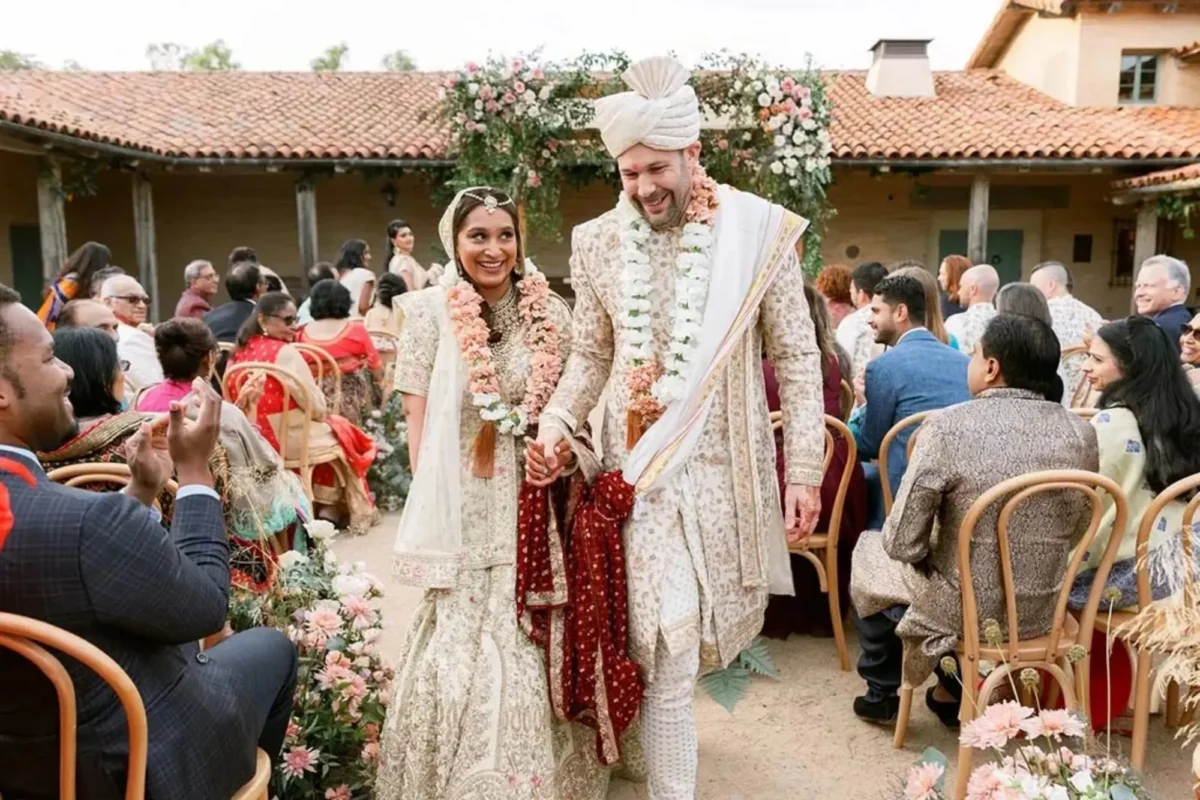
Do: Break the wedding to-do list into phases
Divide tasks into monthly or weekly segments. For example:
- 6–12 months prior: Venue, photographer, bridal outfit
- 3–6 months prior: Decor, invitations, catering
- 1–3 months prior: Makeup trials, jewellery, groom’s outfit
- 1 week prior: Final walkthroughs, payments, checklists
This makes planning a wedding less daunting and helps you stay productive without stress.
Don’t: Try to do everything yourself
Delegate. Your friends, siblings, and cousins are usually more than happy to help. And if budget allows, hire a wedding planner — it’s an investment in peace of mind.
Finalise Your Guest List Wisely
Do: Curate a meaningful guest list
Invite people who matter and bring joy to your celebration. Prioritise close family, friends, and those who have been a part of your journey.
Don’t: Overinvite out of obligation
Large guest lists inflate budgets. Avoid inviting people just to “keep the peace.” The day belongs to you — keep the experience intimate, even if the celebration is big.
Pick Your Vendors Carefully
Do: Research, read reviews & compare packages
Your photographer, decorator, caterer, and makeup artist can make or break your big day. Shortlist at least 2–3 vendors in each category. Ask for portfolios, references, and sample works.
Don’t: Choose solely based on price
Cheap doesn’t always mean good. Value experience over discounts. A trustworthy vendor prevents last-minute disasters.
Focus on Personalisation, Not Perfection
Do: Add personal touches
Meaningful elements elevate your wedding — a custom logo, handwritten vows, family heirlooms, themed décor, or personalised wedding favours. Personalisation creates memories that feel uniquely yours.
Don’t: Chase perfection
No wedding goes 100% according to plan. Don’t let tiny imperfections (delayed baraat, wilted flowers, off-beat dance steps) ruin your mood. The beauty lies in authenticity.
Don’t Ignore Contracts & Fine Print
Do: Read contracts thoroughly
Vendor agreements should mention payment schedules, cancellation policies, deliverables, and timelines. Always have everything in writing.
Don’t: Rely on verbal commitments
A handshake isn’t enough. Protect yourself legally—especially for photographers, venues, and decorators where disputes are common.
Read Also: Wedding Menu Magic That Guests Can’t Stop Talking About
Plan Your Bridal & Groom Look in Advance
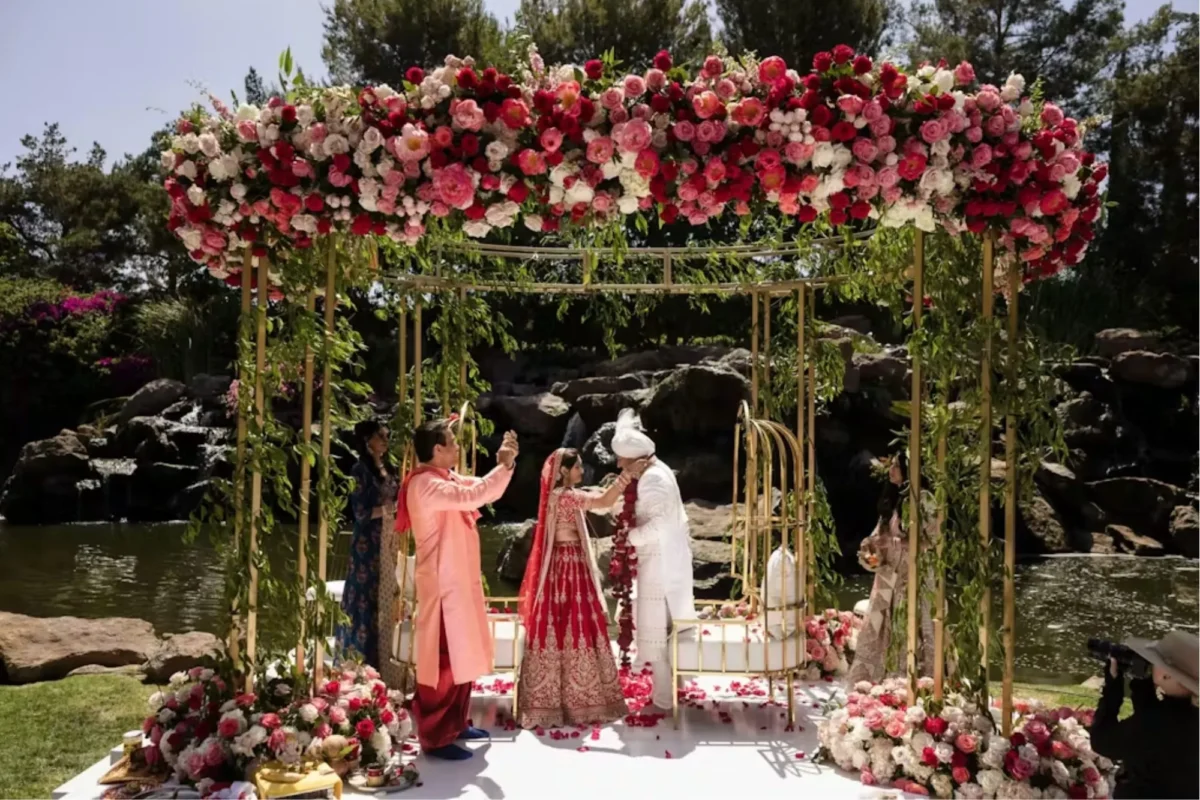
Do: Start outfit shopping at least 4–6 months before
Bridal lehengas, sherwanis, jewellery, and accessories require fittings, alternations, and coordination. Start early to avoid fashion emergencies.
Don’t: Experiment at the last minute
Avoid trying new skincare, new hair colour, or new makeup products right before the wedding. Stick to what suits your skin and trust your makeup artist.
Manage Time — Don’t Leave Things for the Last Minute
Do: Create a wedding-week timeline
Include haldi, mehendi, sangeet, pheras, reception timelines, photo sessions, and logistics. A clear plan makes everyone’s life easier, especially your family.
Don’t: Procrastinate
Procrastination is the enemy of wedding planning. Little delays can snowball into chaos.
Enjoy the Big Day Without Stress
Do: Stay present
After months of planning a wedding, the celebration ends in a flash. So soak in the emotions, enjoy the rituals, and savour every moment.
Don’t: Take unnecessary pressure
If something goes wrong — and something always does — breathe. Let your planner, friends, or siblings handle it. Your only job is to enjoy the wedding.
FAQs
- What is the most important part of wedding planning?
A well-defined budget and timeline are the foundation of smooth wedding planning. These two elements help guide every decision you make.
- How early should I start planning a wedding?
Ideally, start at least 10–12 months before the wedding date. This gives you enough time to book venues, hire vendors, and plan comfortably.
- What should I include in my wedding to-do list?
Your wedding to-do list should include budget planning, venue selection, vendor bookings, outfits, décor, invitations, logistics, beauty prep, and final coordination tasks.
Read Also: Must-Have Wedding Photographs with Your Family
Subscribe to Wedding Affair for everything wedding.