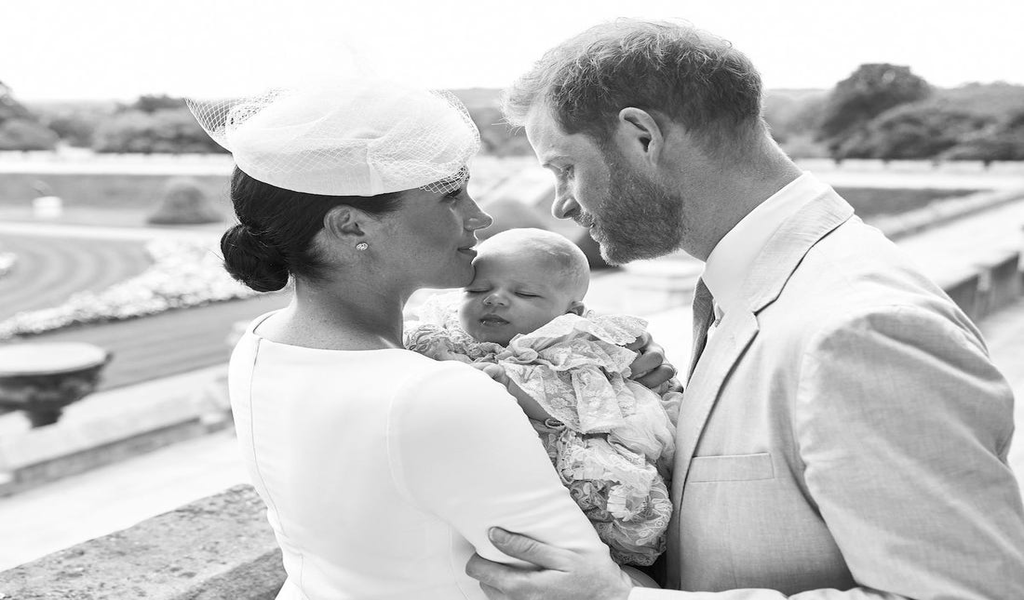


Being emotionally vulnerable in a relationship isn’t about oversharing or emotional drama—it’s about honest connection and letting yourself be truly seen.
Let’s be honest—being emotionally vulnerable in a relationship has terrible PR.
It’s sold to us as this big, terrifying emotional leap where you bare your soul, risk humiliation, and possibly get wrecked if the other person doesn’t respond “correctly.” No wonder most people would rather stay guarded, sarcastic, or emotionally vague. It feels safer to be chill than to be honest.
But here’s the thing no one says out loud: emotional vulnerability isn’t actually that dramatic. It’s not a performance. It’s not emotional stripping. And it’s definitely not about turning every conversation into a therapy session.
In reality, it is quieter, more ordinary, and far less scary than we imagine. Most of the time, we’re already doing parts of it—we just don’t call it that.
This relationship guide is about demystifying emotional vulnerability, stripping it of the cringe, and understanding why it’s not only manageable—but essential—if you want a relationship that feels real instead of rehearsed.
Read this blog by Wedding Affair to learn more about it.
Table of Contents
-
-
- Why Emotional Vulnerability Gets Such a Bad Reputation
- What Being Emotionally Vulnerable Actually Looks Like
- Why We Avoid It (Even When We Want It)
- Emotional Vulnerability Isn’t Trauma Dumping
- How Guardedness Slowly Kills Intimacy
- What Changes When You Let Yourself Be Seen
- Emotional Vulnerability in Everyday Relationship Moments
- How to Practice It Without Losing Yourself
- When Vulnerability Feels One-Sided
- Emotional Vulnerability in Long-Term Relationships
-
Why Emotional Vulnerability Gets Such a Bad Reputation

The problem isn’t vulnerability. It’s how it’s been marketed.
Somewhere along the way, vulnerability became synonymous with emotional chaos—crying uncontrollably, oversharing personal pain too early, or demanding emotional reassurance in ways that feel overwhelming. Naturally, people backed away.
But real vulnerability is far less cinematic. It’s not about collapsing emotionally; it’s about staying present even when you feel exposed.
Most people aren’t afraid of vulnerability itself. They’re afraid of what might happen after—being dismissed, misunderstood, or made to feel foolish for caring.
Read Also: Aquarius Season 2026: Love, Loyalty and Real Talk
What Being Emotionally Vulnerable Actually Looks Like
Let’s clear this up: being emotionally vulnerable doesn’t mean you share everything, all the time, with no filter.
More often, it looks like:
- Saying “That actually hurt” instead of joking it away
- Admitting you’re unsure instead of pretending you’re fine
- Expressing a need before resentment builds
- Letting someone know you care without protecting yourself with irony
It’s subtle. It’s human. And it usually happens in small moments—not dramatic confessions.
Emotional vulnerability is less about what you say and more about the honesty behind it.
Why We Avoid It (Even When We Want It)
Most emotional avoidance isn’t arrogance—it’s self-protection.
We learn early that showing feelings can be risky. Maybe you were once too open and got hurt. Maybe your emotions were minimised. Maybe you learned that staying detached earned approval.
So instead of saying what we feel, we:
- Intellectualise
- Stay vague
- Change the subject
- Act unbothered
Avoidance feels controlled. Vulnerability feels uncertain. And humans hate uncertainty—even when it’s good for us.
Emotional Vulnerability Isn’t Trauma Dumping
This distinction matters more than people admit.
Emotional vulnerability is relational—it considers timing, trust, and emotional safety.
Emotional dumping ignores context and emotional capacity.
Being emotionally vulnerable doesn’t mean unloading unresolved pain on your partner and calling it “honesty.” It means sharing feelings you’re actively aware of, not outsourcing emotional processing.
Healthy vulnerability has boundaries. It respects both people in the conversation.
How Guardedness Slowly Kills Intimacy

Here’s the uncomfortable truth: emotional guardedness doesn’t protect relationships—it slowly drains them.
When emotions stay unspoken:
- Assumptions replace conversations
- Resentment builds quietly
- Partners start feeling unseen
- Emotional distance feels “normal”
Many relationships don’t end because of conflict. They end because people stop feeling emotionally known.
Intimacy isn’t built through proximity or time—it’s built through emotional access.
What Changes When You Let Yourself Be Seen
When vulnerability enters a relationship, something subtle but powerful shifts.
Conversations become more honest. Conflict feels less threatening. You stop performing a version of yourself and start showing up as you actually are.
More importantly, it invites reciprocity. When one person risks honesty, it creates permission for the other to do the same.
That’s how emotional safety forms—not through perfection, but through mutual openness.
Read Also: 10 Dating Trends to Look Out for in 2026
Emotional Vulnerability in Everyday Relationship Moments
Emotional vulnerability doesn’t live in grand speeches. It lives in everyday interactions.
It’s present when you say:
- “I’m feeling disconnected lately, and I miss you.”
- “I don’t need solutions right now—I just need you to listen.”
- “I’m scared to say this, but it matters to me.”
- “I feel insecure, and I need reassurance.”
These moments don’t weaken a relationship. They anchor it.
How to Practice It Without Losing Yourself
The fear many people have is that vulnerability means emotional exposure without protection. It doesn’t.
Start with:
- Naming feelings without dramatising them
- Sharing needs without apologising for them
- Allowing pauses instead of over-explaining
- Checking in with yourself before sharing
Emotional vulnerability should feel grounding—not destabilising.
If it feels overwhelming, slow down. Vulnerability works best when it grows naturally.
When Vulnerability Feels One-Sided
This part matters.
If you’re consistently emotionally vulnerable and your partner shuts down, minimises your feelings, or avoids emotional engagement, that’s not a failure on your part.
Vulnerability reveals relationship dynamics—it doesn’t create them.
Healthy relationships don’t punish emotional honesty. They learn how to respond to it.
Emotional Vulnerability in Long-Term Relationships
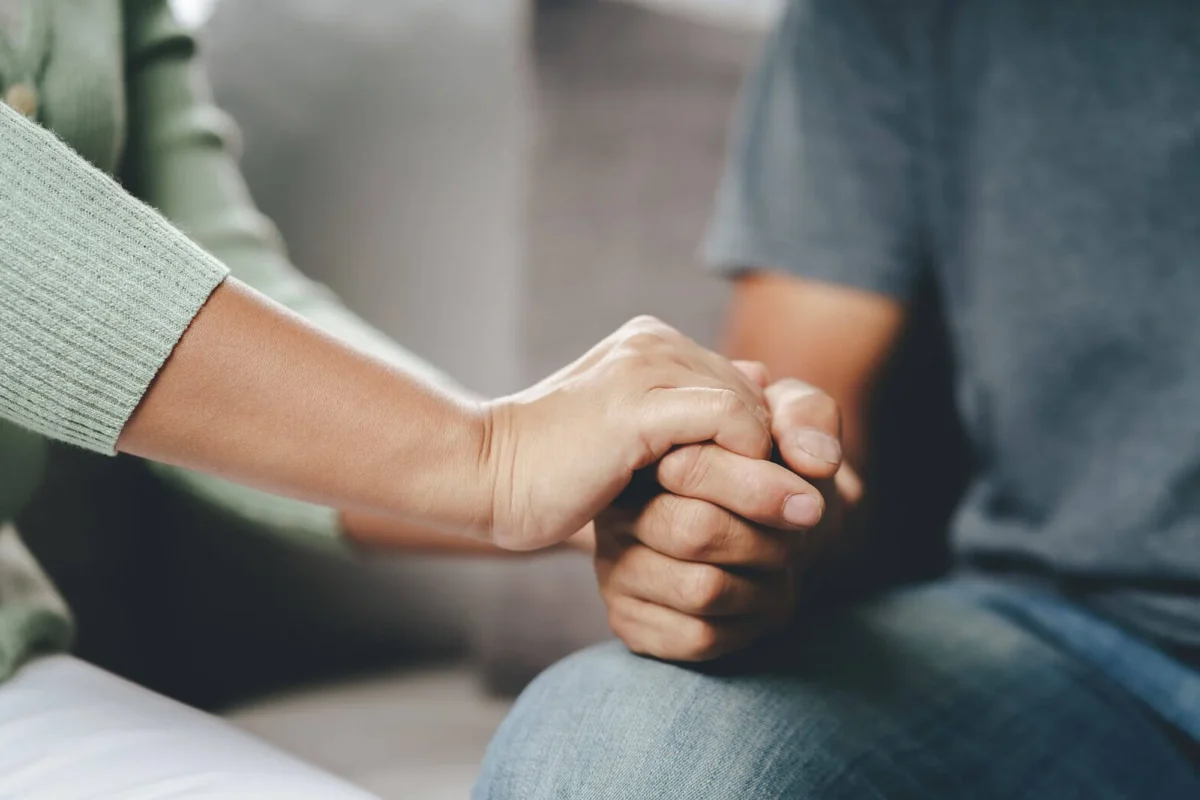
In long-term relationships, vulnerability shifts from revelation to maintenance.
It becomes about:
- Admitting emotional fatigue
- Acknowledging changing needs
- Talking about fears without panic
- Saying “I need you” without shame
Long-term love survives not because feelings stay intense, but because honesty stays alive.
FAQs
-
- Is emotional vulnerability necessary in every relationship?
Yes—at least to some degree. Without emotional vulnerability, relationships remain emotionally shallow and transactional.
-
- Can emotional vulnerability make relationships stronger?
Absolutely. Emotional vulnerability builds trust, deepens intimacy, and improves communication over time.
-
- What if emotional vulnerability feels uncomfortable?
Discomfort is normal. Vulnerability doesn’t mean forcing emotional exposure—it means moving at a pace that feels emotionally safe.
Being emotionally vulnerable in a relationship isn’t about emotional bravery for the sake of it. It’s about choosing connection over control. And once you stop treating vulnerability like a dramatic risk, you realise it’s just another way of being real with someone you care about.
Read Also: When to Introduce Your Partner to Your Indian Parents?
Subscribe to Wedding Affair for more love and relationship advice.