
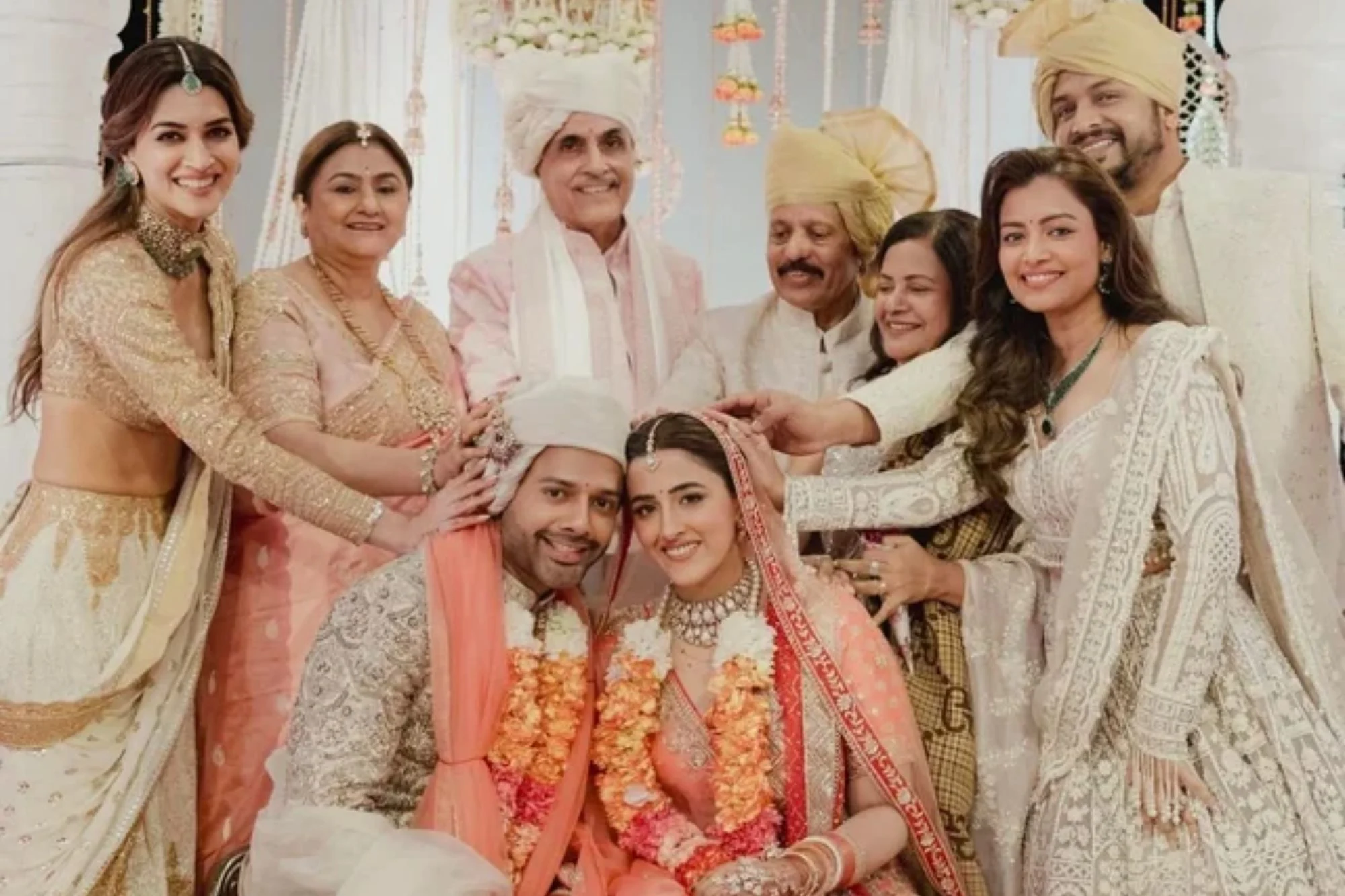
Choosing between an intimate wedding and a big fat celebration isn’t just about scale—it’s about what you want your wedding to truly be.
Planning a wedding today is no longer about following a fixed script. Couples are questioning traditions, redefining scale, and choosing celebrations that reflect who they are—not just what’s expected of them. One of the biggest decisions in modern wedding planning is choosing between an intimate wedding and a big fat Indian wedding. Both come with their own charm, challenges, and cultural significance, and the right choice depends on far more than budget alone.
Whether you’re dreaming of a close-knit celebration with your inner circle or a grand, multi-day affair that brings together extended families and friends, understanding the nuances of both styles is essential when planning a wedding that feels truly personal.
Before you decide which path to take, here’s everything you need to know, by Wedding Affair.
Table of Contents
-
-
- Understanding the Modern Wedding Landscape
- What Is an Intimate Wedding?
- What Defines a Big Fat Indian Wedding?
- Guest List: Close Circles vs Grand Gatherings
- Budget Breakdown: Where the Money Goes
- Decor, Design, and Experience
- Emotional Impact and Memories
- Logistics, Time, and Stress Levels
- Cultural Expectations and Family Dynamics
- How to Choose What’s Right for You
-
Understanding the Modern Wedding Landscape
Over the past decade, weddings have evolved dramatically. While the big fat Indian wedding remains a cultural icon—deeply rooted in tradition, celebration, and social connection—there’s been a noticeable rise in couples opting for smaller, more intentional ceremonies. The intimate wedding is no longer seen as a compromise; instead, it’s often viewed as a conscious lifestyle choice.
This shift is driven by changing priorities: personalisation over performance, experience over extravagance, and emotional value over sheer scale. Yet, the decision isn’t always straightforward, especially in a culture where weddings are deeply intertwined with family expectations.
What Is an Intimate Wedding?
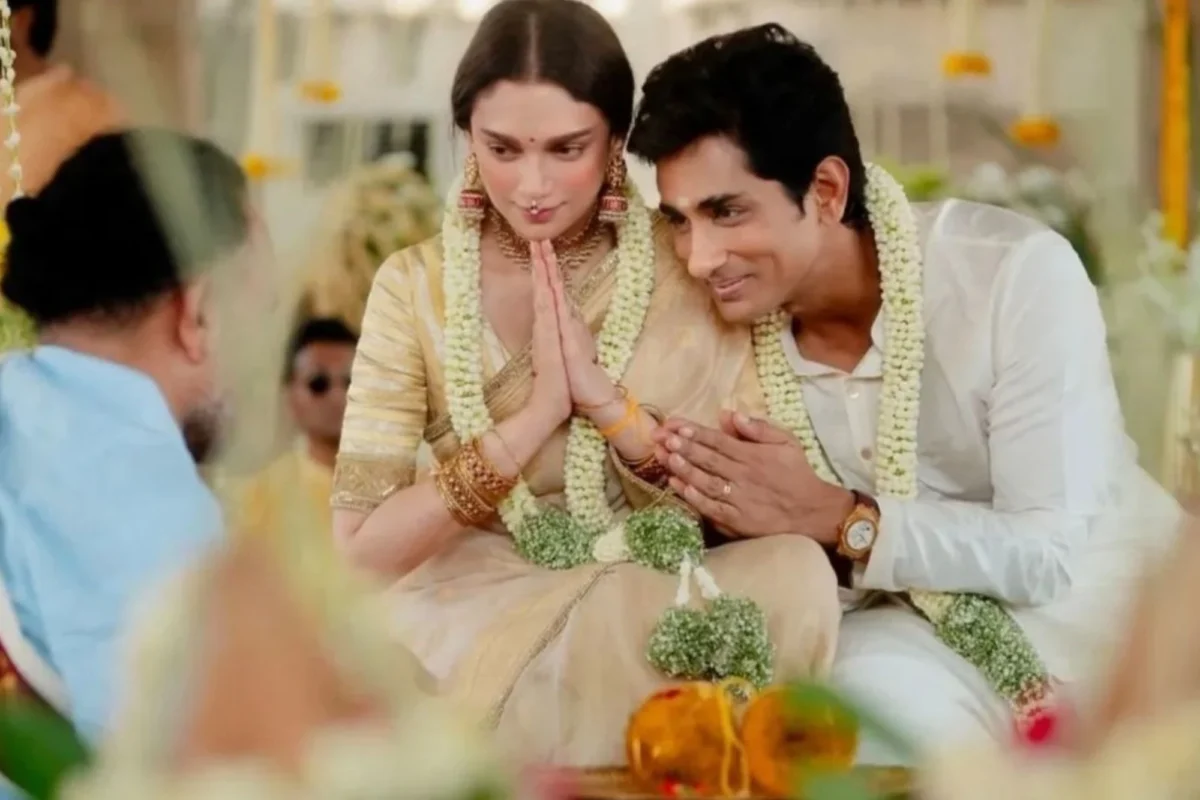
An intimate wedding typically involves a smaller guest list—often between 20 and 100 people—and focuses on meaningful experiences rather than grandeur. These weddings prioritise connection, allowing couples to spend quality time with each guest rather than rushing through rituals and introductions.
Intimate weddings often feature:
- Carefully curated guest lists
- Minimal yet thoughtful décor
- Personalized ceremonies
- Flexible timelines
- Unique venues such as private villas, boutique resorts, or family homes
In wedding planning, intimate celebrations allow couples to invest more deeply in details that matter to them—be it bespoke outfits, gourmet dining, or immersive experiences—without being constrained by scale.
Read Also: 9 Celebrity Engagement Rings of 2025 That We Loved
What Defines a Big Fat Indian Wedding?
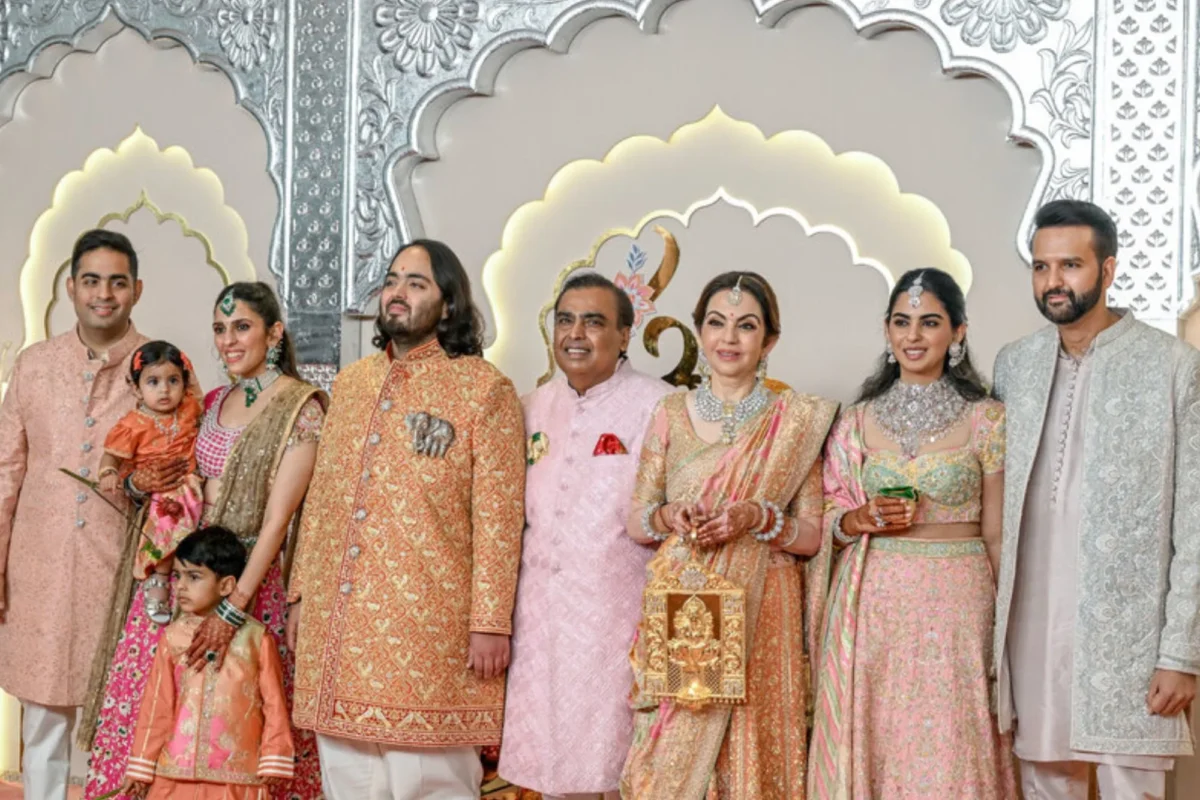
The big fat Indian wedding is synonymous with grandeur, multi-day celebrations, and large guest lists that can range from a few hundred to several thousand. It’s a collective experience involving families, communities, rituals, and elaborate festivities.
Key features include:
- Multiple events (mehendi, haldi, sangeet, wedding, reception)
- Large-scale décor and production
- Traditional rituals are conducted with the extended family
- Lavish venues and entertainment
- A strong emphasis on hospitality
For many families, a big fat Indian wedding isn’t just about the couple—it’s a social milestone, a cultural statement, and a once-in-a-generation gathering.
Guest List: Close Circles vs Grand Gatherings
One of the most defining differences between an intimate wedding and a big celebration is the guest list.
With an intimate wedding, every guest is intentionally chosen. These are people who actively participate in the couple’s life—close family, best friends, and loved ones who share a genuine emotional bond. Conversations are deeper, moments feel more personal, and the couple remains emotionally present throughout the celebration.
In contrast, a big fat Indian wedding thrives on scale. It brings together extended families, acquaintances, business associates, and distant relatives. While this creates a festive, energetic atmosphere, it often limits the couple’s ability to connect meaningfully with each guest.
Budget Breakdown: Where the Money Goes
Contrary to popular belief, an intimate wedding isn’t always “cheap,” and a big fat wedding isn’t always wasteful. The difference lies in allocation.
With fewer guests, intimate weddings allow couples to:
- Upgrade décor materials and floral design
- Invest in couture outfits and custom styling
- Curate premium menus
- Choose destination or boutique venues
On the other hand, a big fat Indian wedding spreads the budget across:
- Large venues
- Mass catering
- Extensive décor setups
- Guest hospitality
- Multiple events
From a wedding planning perspective, intimate weddings offer more flexibility in creative spending, while larger weddings require meticulous budgeting and cost control to manage scale.
Decor, Design, and Experience
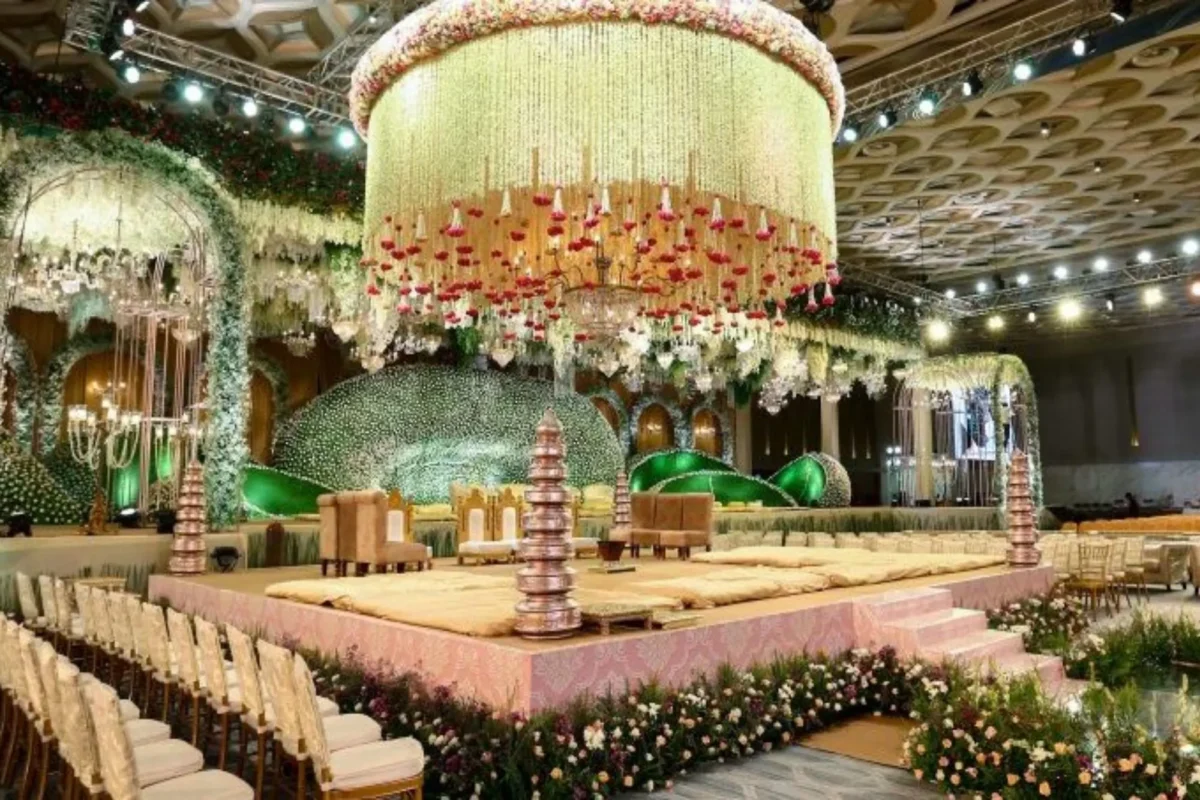
Design philosophies differ greatly between the two formats.
An intimate wedding often leans towards minimalism, storytelling, and cohesive aesthetics. Décor is more experiential—every element feels intentional, from tablescapes to lighting. Since there’s less to manage, design teams can focus on quality, textures, and personalisation.
A big fat Indian wedding, on the other hand, is about visual impact. Larger-than-life stages, dramatic entrances, expansive floral installations, and themed events are common. The décor is designed to impress and accommodate scale, often prioritising spectacle over subtlety.
Neither approach is superior—it’s about whether you value immersive detail or dramatic grandeur.
Read Also: Top 5 Winter Wedding Food Mistakes Couples Should Avoid
Emotional Impact and Memories
Emotionally, the two experiences feel very different.
An intimate wedding allows couples to stay present. There’s time for unhurried rituals, private conversations, and shared moments that feel deeply personal. Many couples describe intimate weddings as emotionally fulfilling and less overwhelming.
A big fat Indian wedding delivers high-energy memories—grand celebrations, larger-than-life moments, and the joy of seeing entire families come together. While it can be emotionally overwhelming, it often leaves behind a strong sense of nostalgia and cultural continuity.
When planning a wedding, it’s worth considering how you want to remember the day—not just how it looks, but how it feels.
Logistics, Time, and Stress Levels
From a logistics standpoint, intimate weddings are generally easier to manage. Fewer vendors, simplified timelines, and smaller teams mean fewer moving parts. This often translates to lower stress levels and more control over the final outcome.
A big fat Indian wedding requires extensive coordination—guest logistics, multiple ceremonies, large vendor teams, and tight schedules. While professional planners can streamline the process, the sheer scale naturally increases complexity.
For couples juggling careers, travel, or tight timelines, this difference can significantly influence the decision.
Cultural Expectations and Family Dynamics
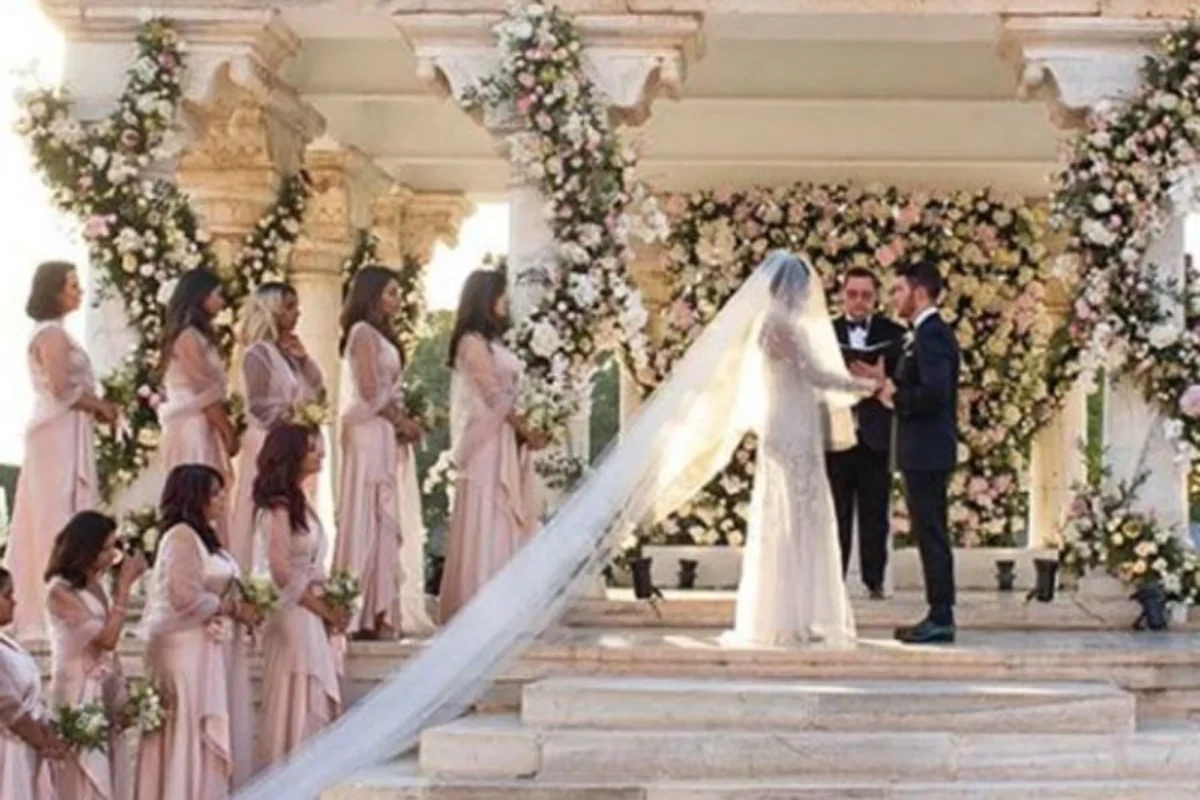
In India, wedding decisions rarely involve just two people. Families play a central role, and cultural expectations often favour larger celebrations.
Choosing an intimate wedding may require open conversations, compromises, and reassurance that the celebration isn’t “less meaningful.” On the other hand, opting for a big fat Indian wedding can sometimes feel like fulfilling a collective dream rather than a personal one.
Successful wedding planning often lies in striking a balance—honouring family traditions while staying true to the couple’s vision.
How to Choose What’s Right for You
There’s no universal answer. The right choice depends on:
- Your personalities as a couple
- Your emotional comfort with crowds
- Budget priorities
- Family expectations
- The kind of memories you want to create
Some couples even blend both worlds—hosting an intimate ceremony followed by a larger reception. Ultimately, the best wedding is one that feels authentic, intentional, and aligned with your values.
FAQs
-
- Is an intimate wedding less meaningful than a big fat Indian wedding?
Not at all. An intimate wedding can be deeply meaningful, focusing on emotional connection and personal experiences rather than scale.
-
- Which is easier when planning a wedding: intimate or big fat?
Generally, intimate weddings involve fewer logistics and less stress, but both require thoughtful wedding planning to execute well.
-
- Can you combine elements of both wedding styles?
Yes. Many couples opt for a hybrid approach—an intimate ceremony with close family followed by a larger celebration—offering the best of both worlds.
Read Also: 7 Decadent Decor Themes for an Unforgettable Cocktail Night
Subscribe to Wedding Affair for everything wedding.